Thermal Gear

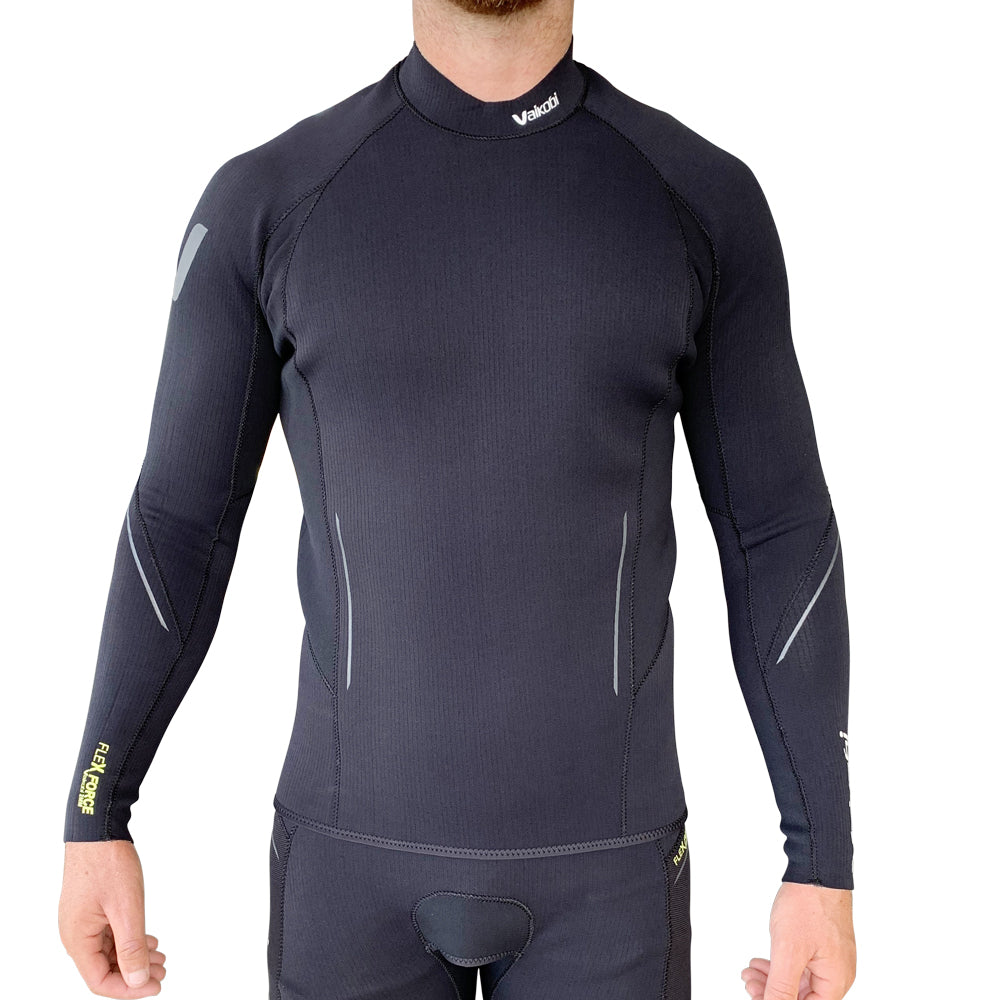
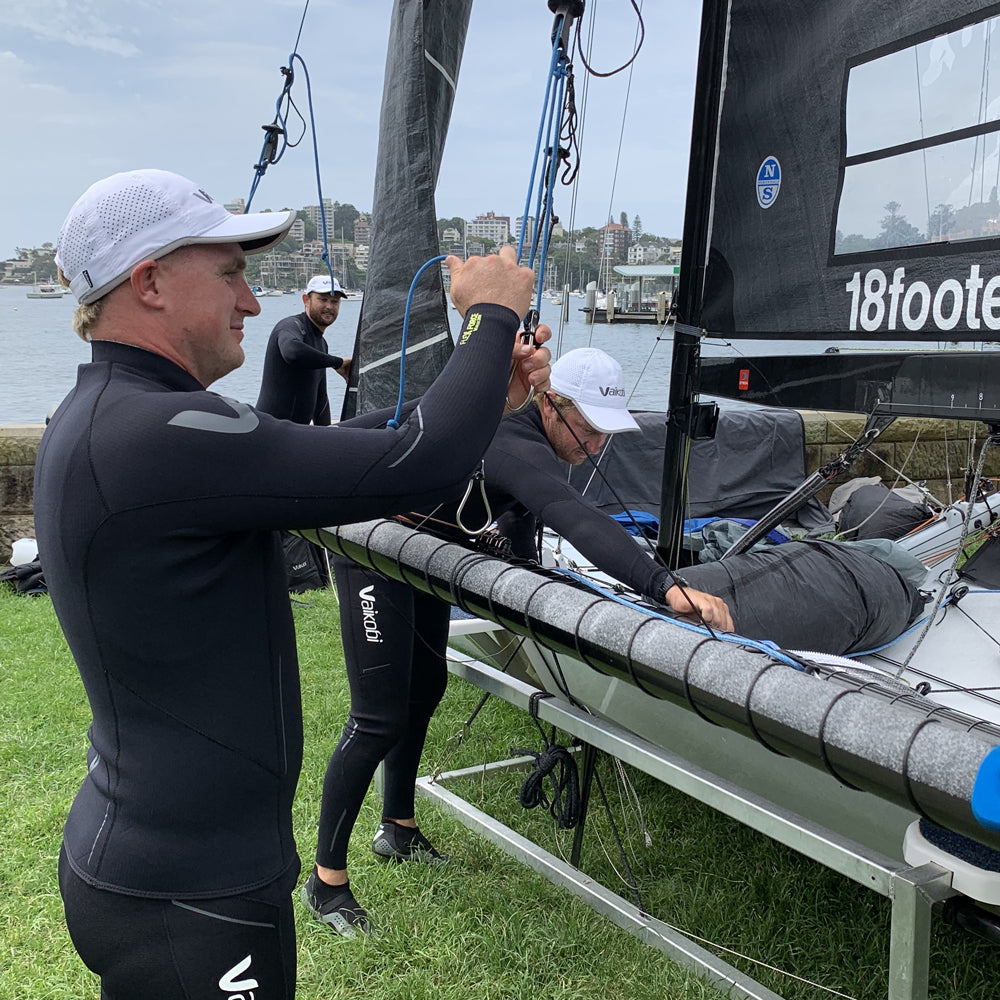
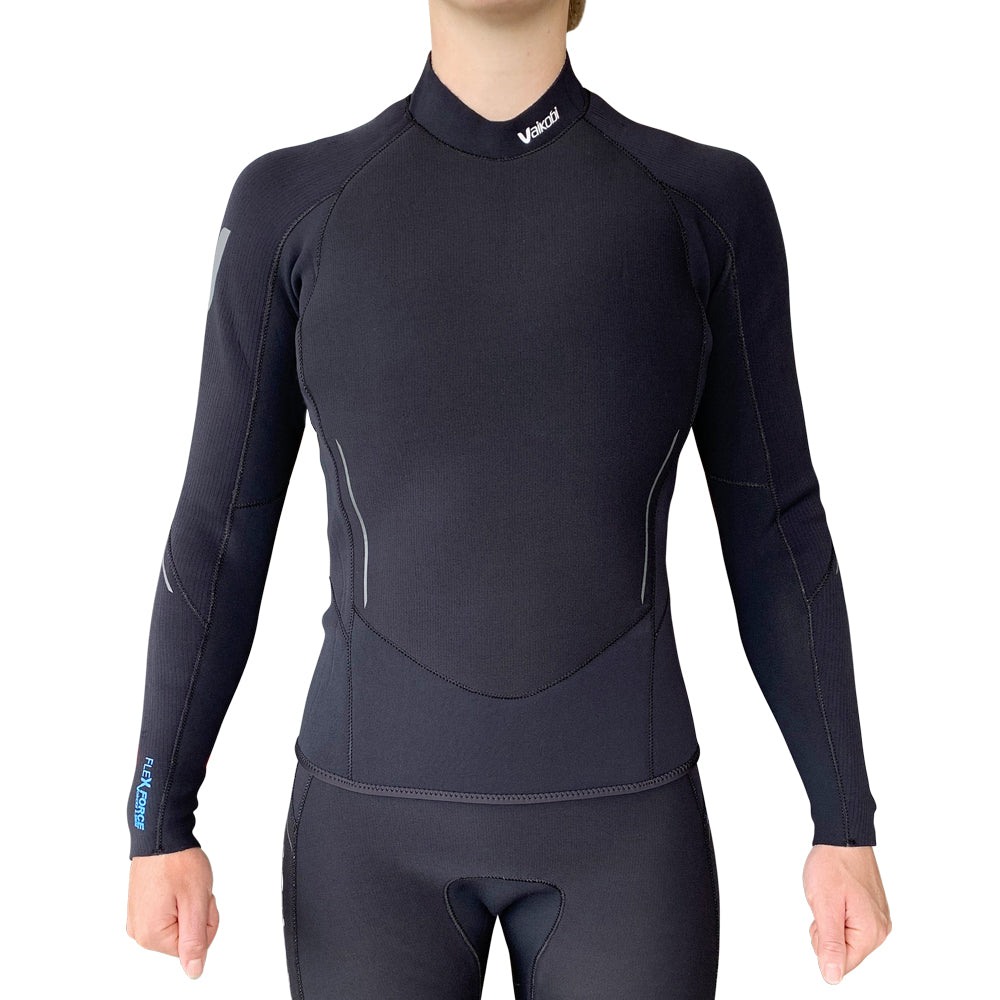
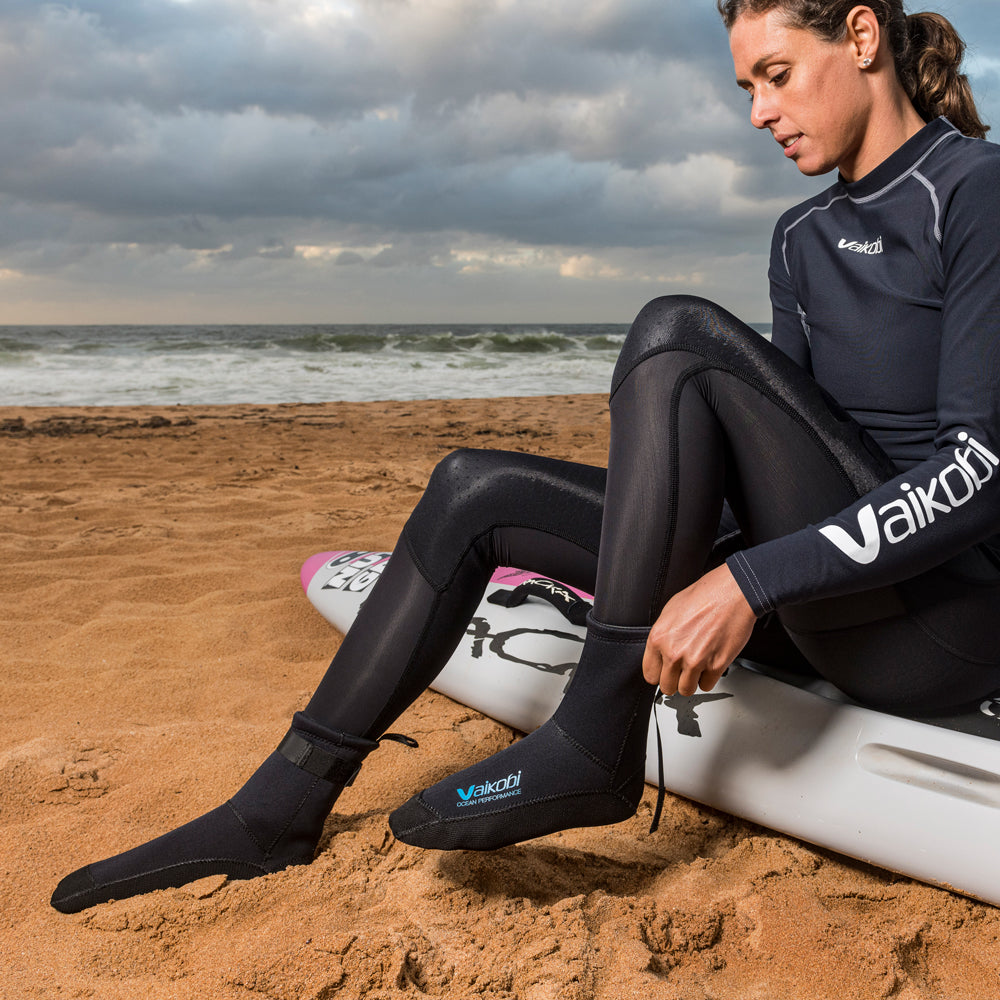
When the temperature drops, Vaikobi's thermal clothing collection keeps you on the water longer. Spanning two performance ranges - VCOLD for cool-to-cold conditions and FlexForce neoprene for serious cold-water protection - every piece is developed and tested alongside professional athletes in Australia. From lightweight base layers to 3.5mm wetsuit tops, there's thermal protection for every condition and every discipline.

When the temperature drops, Vaikobi's thermal clothing collection keeps you on the water longer. Spanning two performance ranges - VCOLD for cool-to-cold conditions and FlexForce neoprene for serious cold-water protection...
Filter by: Filter by:
Availability
Availability
Size
Size
Clothing Type
Clothing Type
Sport
Sport
Colour
Colour
Temperature Rating
Temperature Rating
Gender
Gender
FAQs
Which VCOLD top should I wear?

Vaikobi has three specially designed cold water tops — here's how to choose:

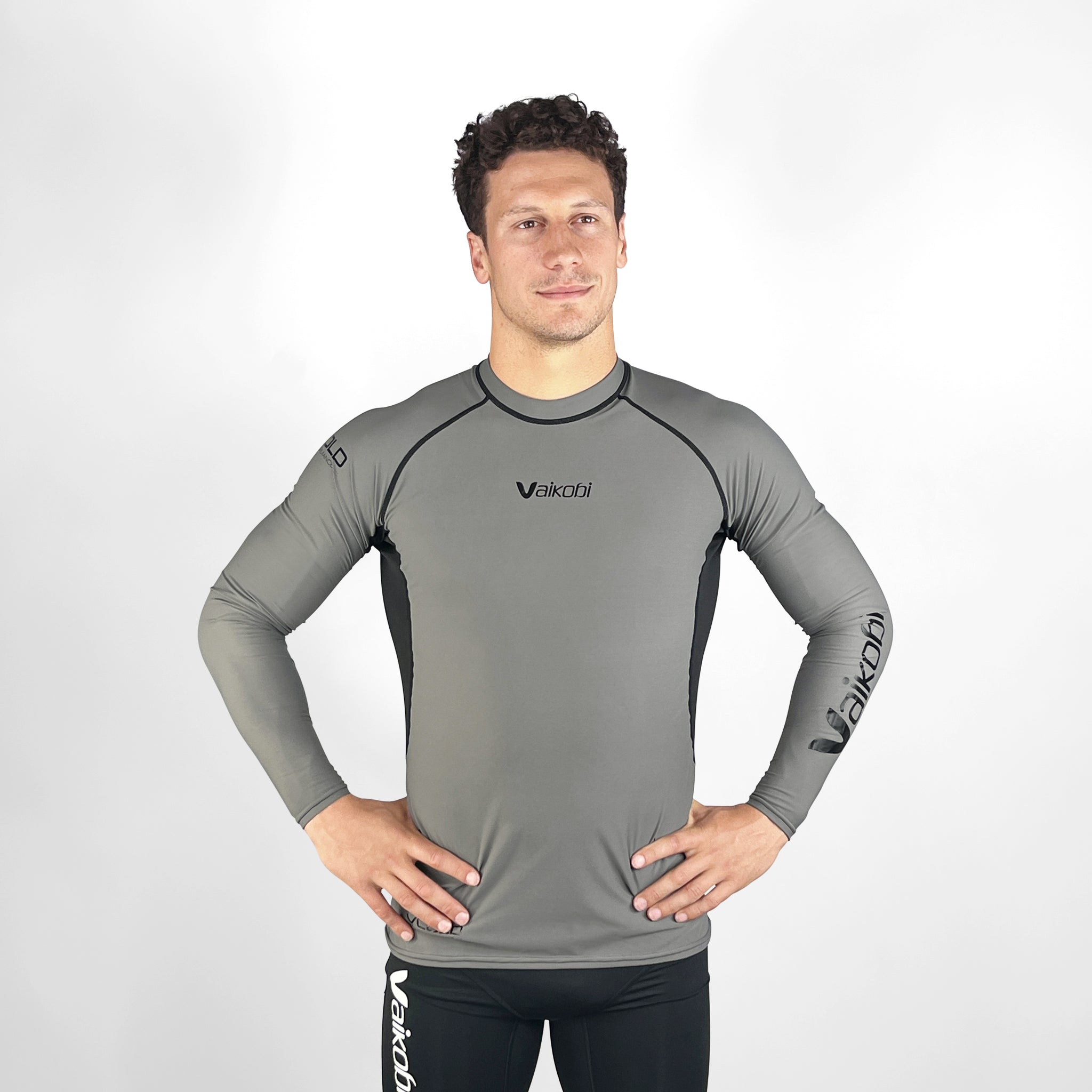
  • VCOLD Base Layer Top (Warm) — a lightweight, quick-dry thermal top ideal for cool conditions and high-output sports. Versatile enough to wear alone or layer under a wetsuit or VDRY vest. Best for active paddlers and sailors who heat up quickly.
  • VCOLD Hydroflex Top (Warmer) — uses hollow yarn fabric with a hydrophobic outer coating that sheds water and dries rapidly, keeping spray off your skin and core. Features a super soft fleece neck and scooped lower back hem to prevent water flushing up. Ideal for choppier water, seated paddlers, rowers, and dinghy sailors.
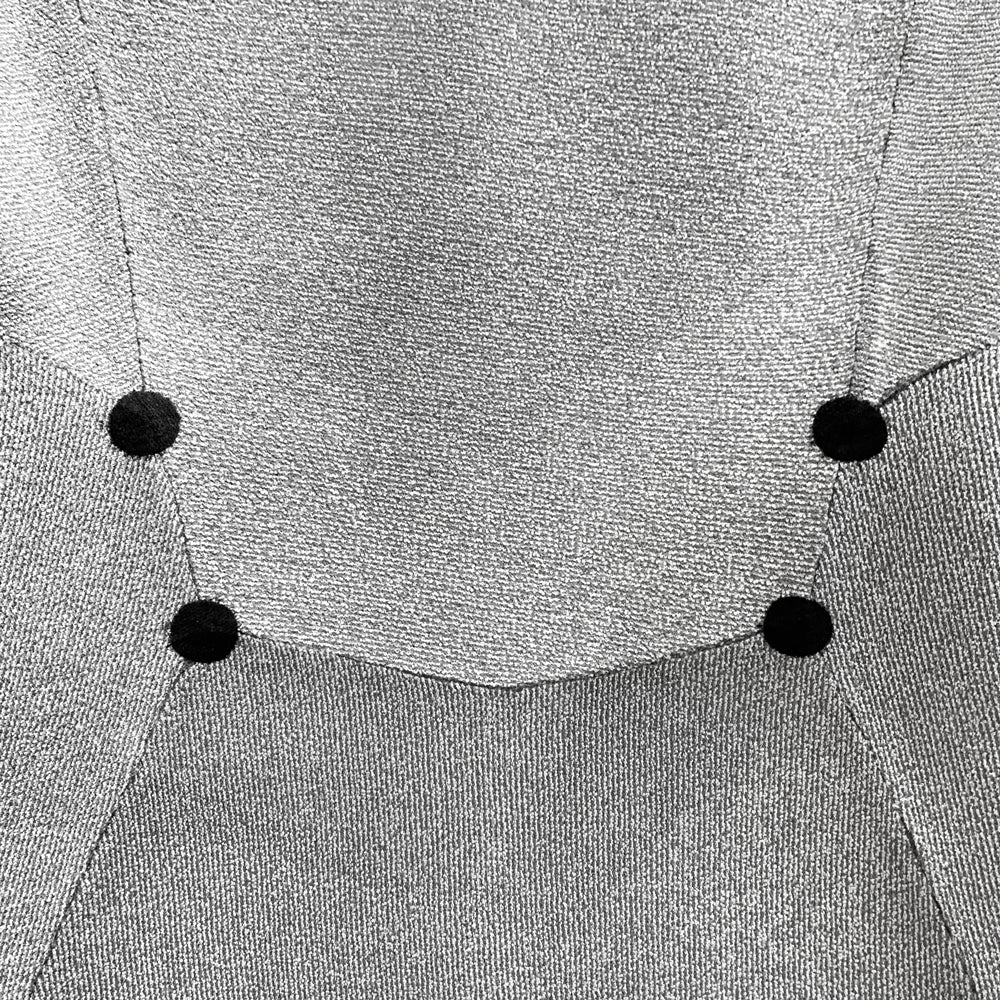
  • VCOLD Flex Top (Warmest) — for the days you can see your breath in the air. Uses VCOLD Flex Airprene technology with a plush pile inner liner and perforated panels for thermal regulation and breathability. Form-fitting by design to maximise core warmth. Best for cold water immersion sports including kayaking, surfski, and downwind paddling.

Read our complete guide to choosing the right VCOLD thermal top.

What VCOLD pants is right for you?

Vaikobi has three VCOLD pants for cold water watersports — here's how to choose:

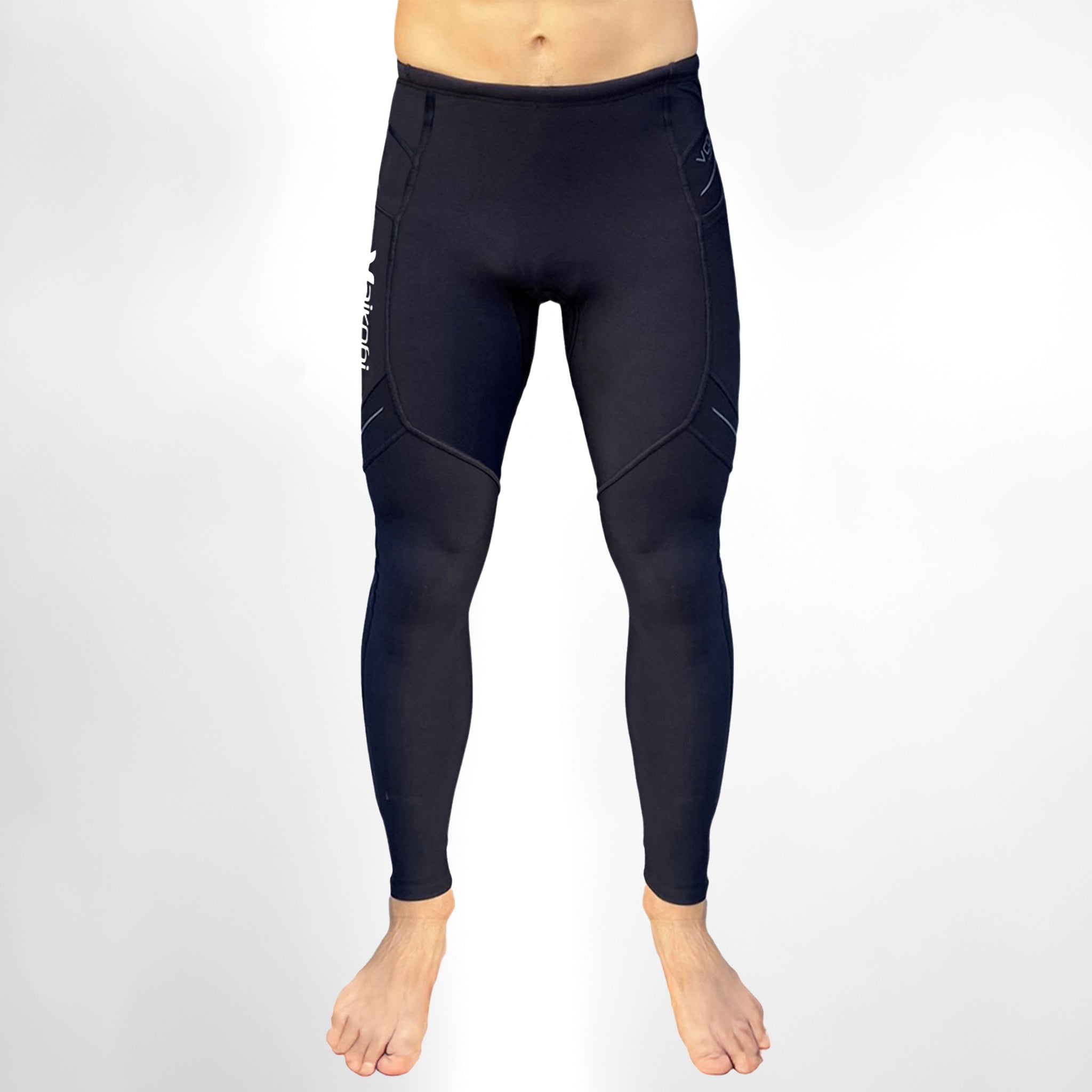
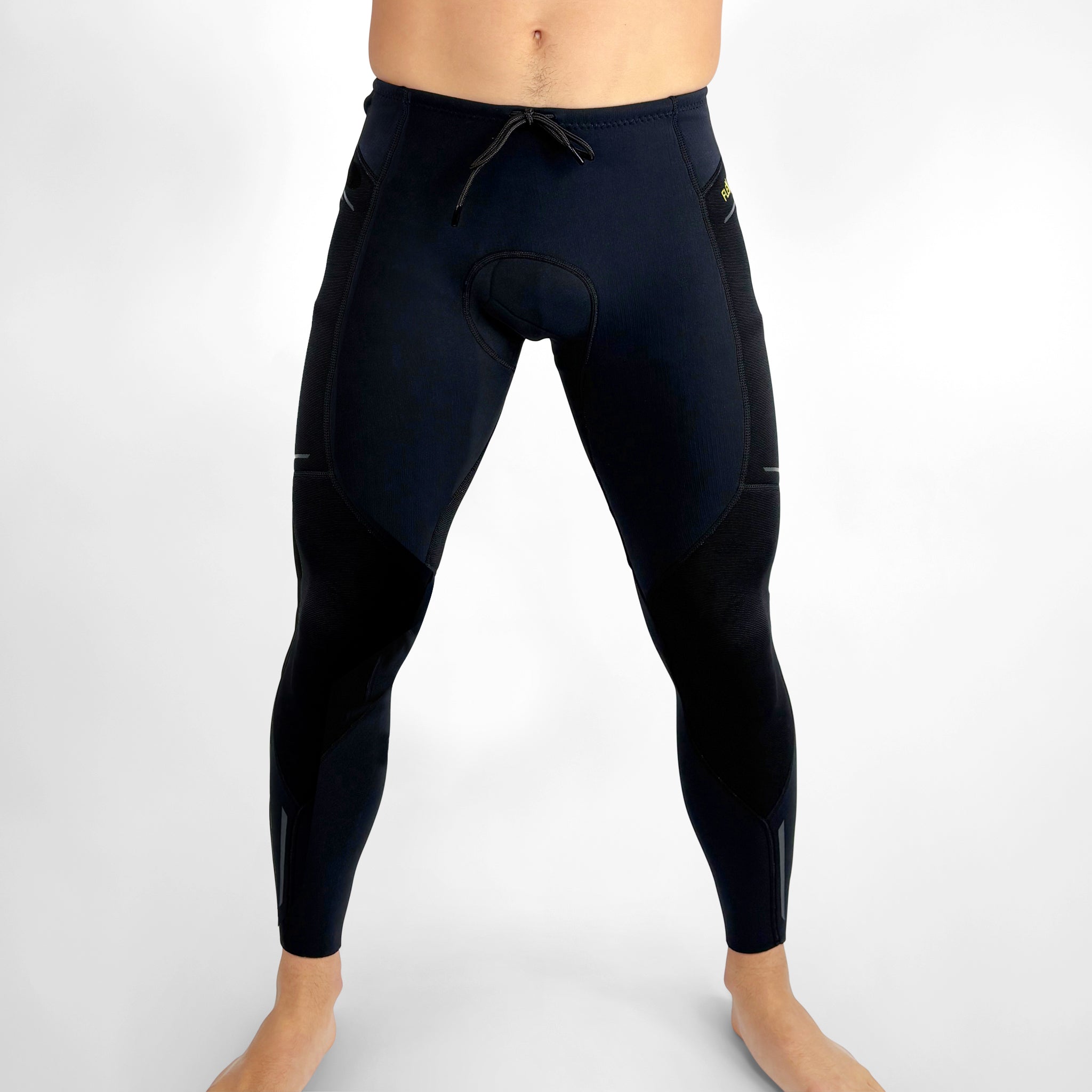
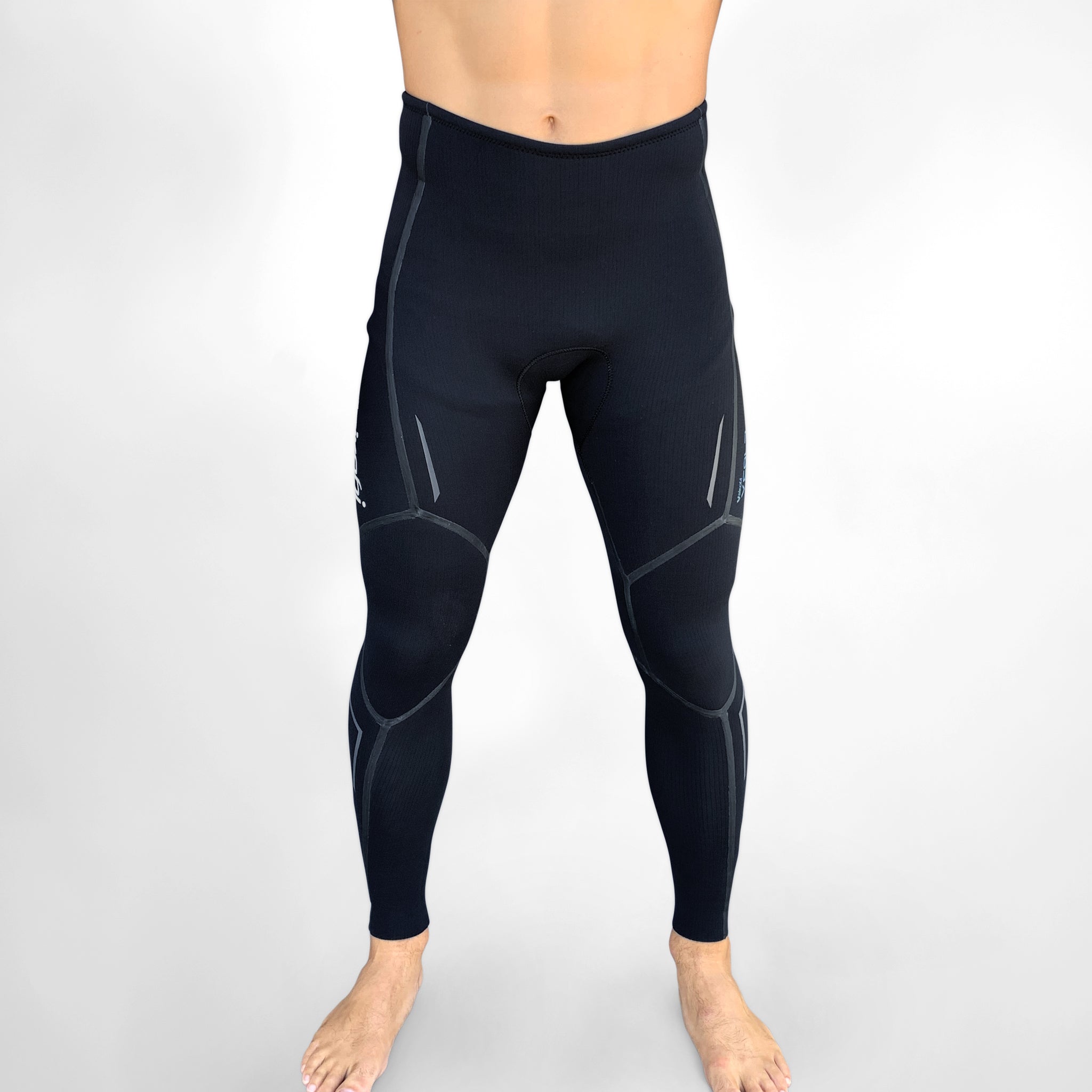
  • VCOLD GBS 3mm Paddle Pant — for freezing to cold conditions. The thickest and warmest option, with GBS liquid seams to stop water creeping in, a high back design to protect the lower back in a seated paddling position, and a plush inner fleece lining. Best for conditions where you can see your breath in the air.
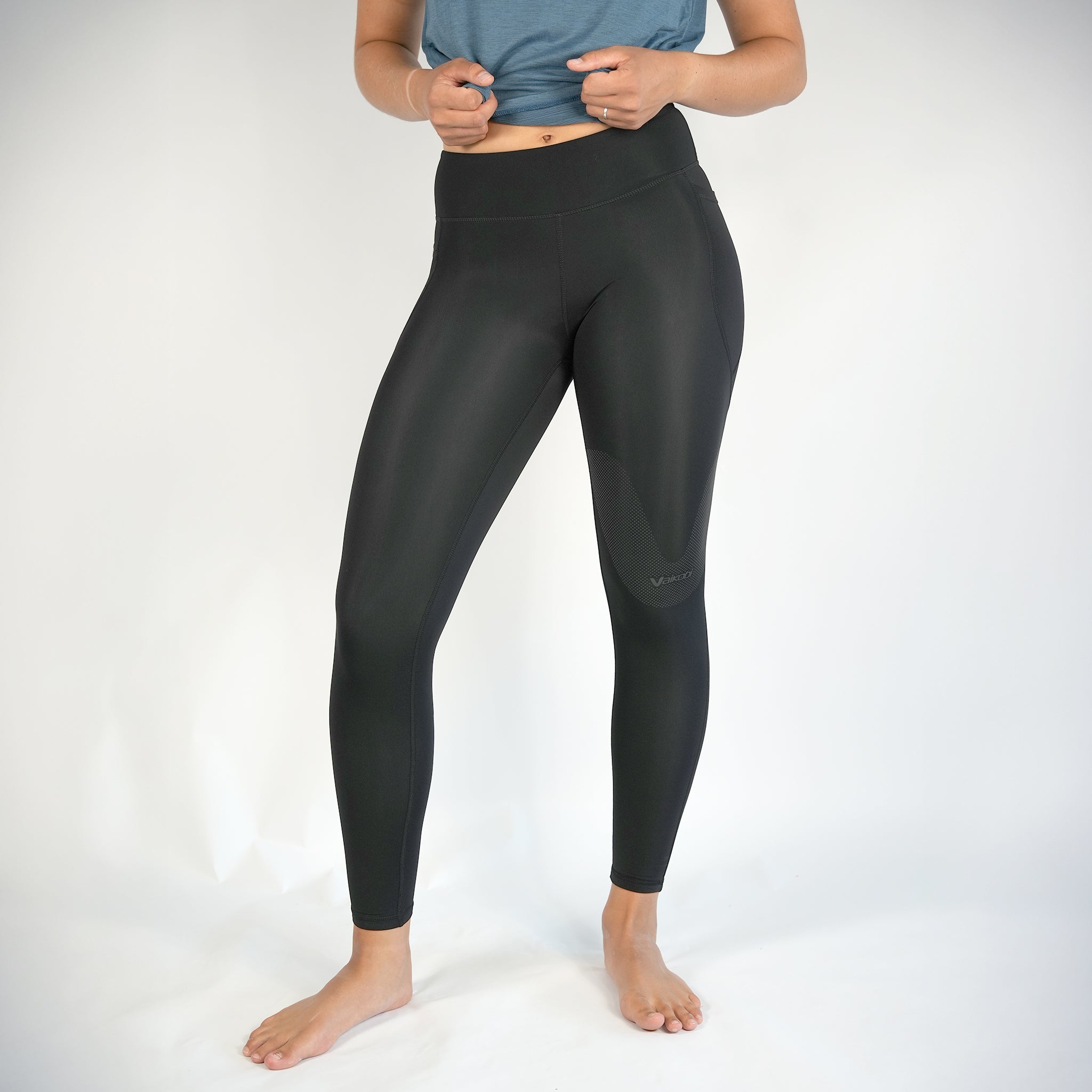
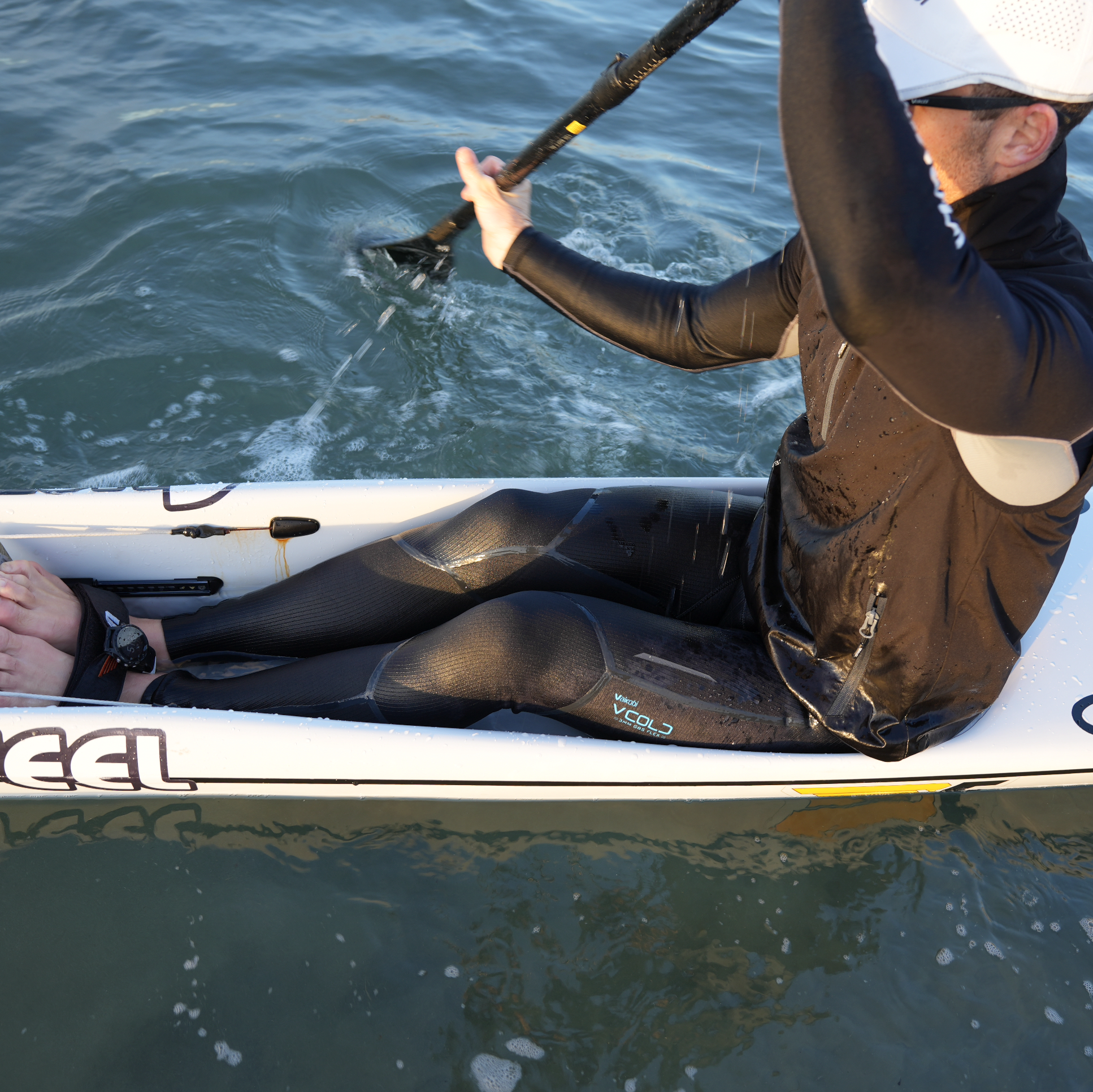
  • VCOLD Flex Paddle Pant — for cold to cool conditions (5°C and above). Vaikobi's most versatile pant, using Airprene fabrication that breathes as your body heats up — so you won't overheat if the sun comes out or the wind drops mid-session. A best seller for good reason.
  • VCOLD Hydroflex Pant — for cool to mild conditions (up to ~17°C). A lightweight quick-dry microfleece pant that feels more like a thermal legging than a wetsuit pant — ideal for those who don't like neoprene but still need cold water protection.

For warm water paddling and watersports, see our UV range of pants instead. Read the full guide to choosing the right VCOLD pant.

How do I layer a wetsuit for cold water watersports?

Wetsuit layering is the practice of wearing additional garments under or over your wetsuit to stay warmer and more comfortable in cold conditions. The right combination depends on water temperature:

  • Above 20°C — a thin wetsuit (1–2mm) with no additional layers is usually enough
  • 15–20°C (transitional) — a medium wetsuit (2–3mm) with or without a base layer underneath depending on conditions
  • 5–15°C — a single wetsuit with an insulation layer underneath, such as a VCOLD Hydroflex Top
  • Below 5°C — consider a double-wetsuit system using two FlexForce suits of different thicknesses

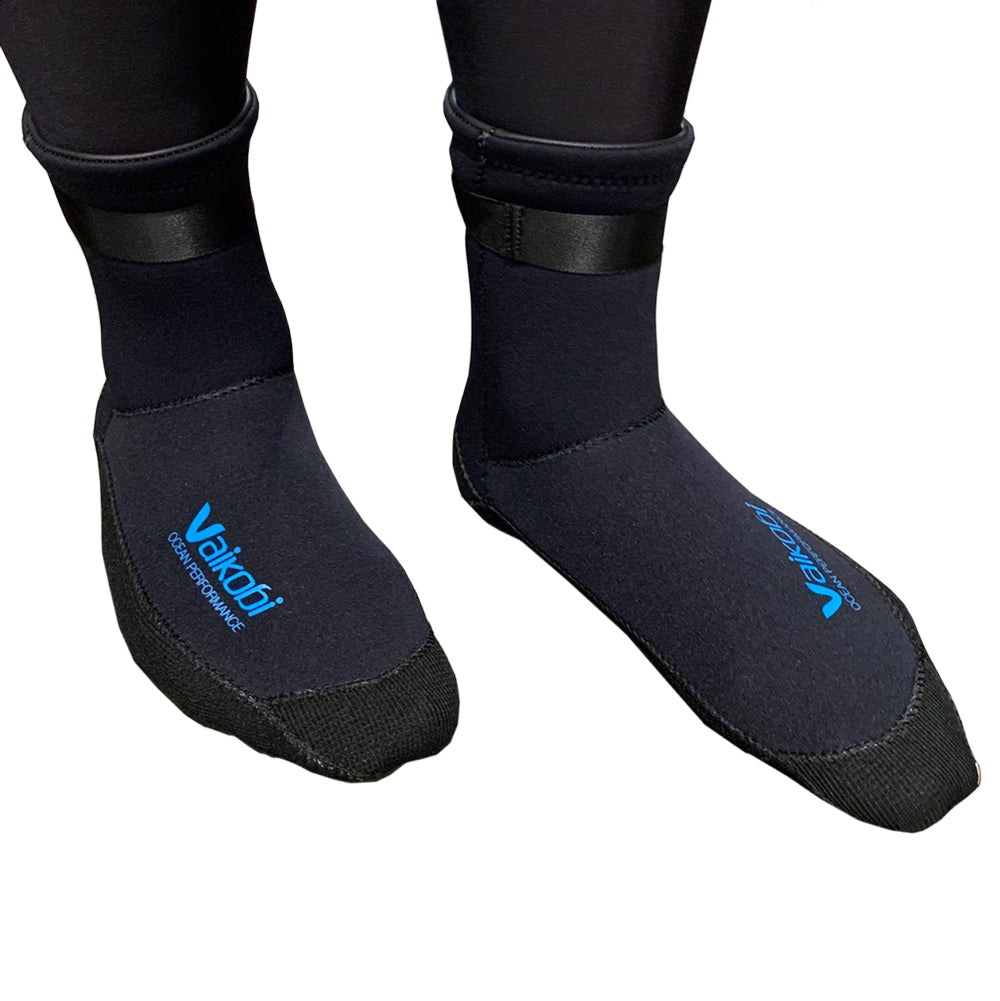
When choosing layers, stick to quick-drying, breathable materials like polyester, hydrofleece, or hydromesh — avoid cotton. Layers should fit snugly without being restrictive, and avoid excessive zippers, velcro, or bulky seams. Don't forget accessories — neoprene socks, gloves, and a hood make a big difference to extremities in cold water. Always test your layering setup before heading out, as extra layers can affect buoyancy and mobility. Read our complete guide to wetsuit layering.

What is the best gear combination for cold weather paddling?

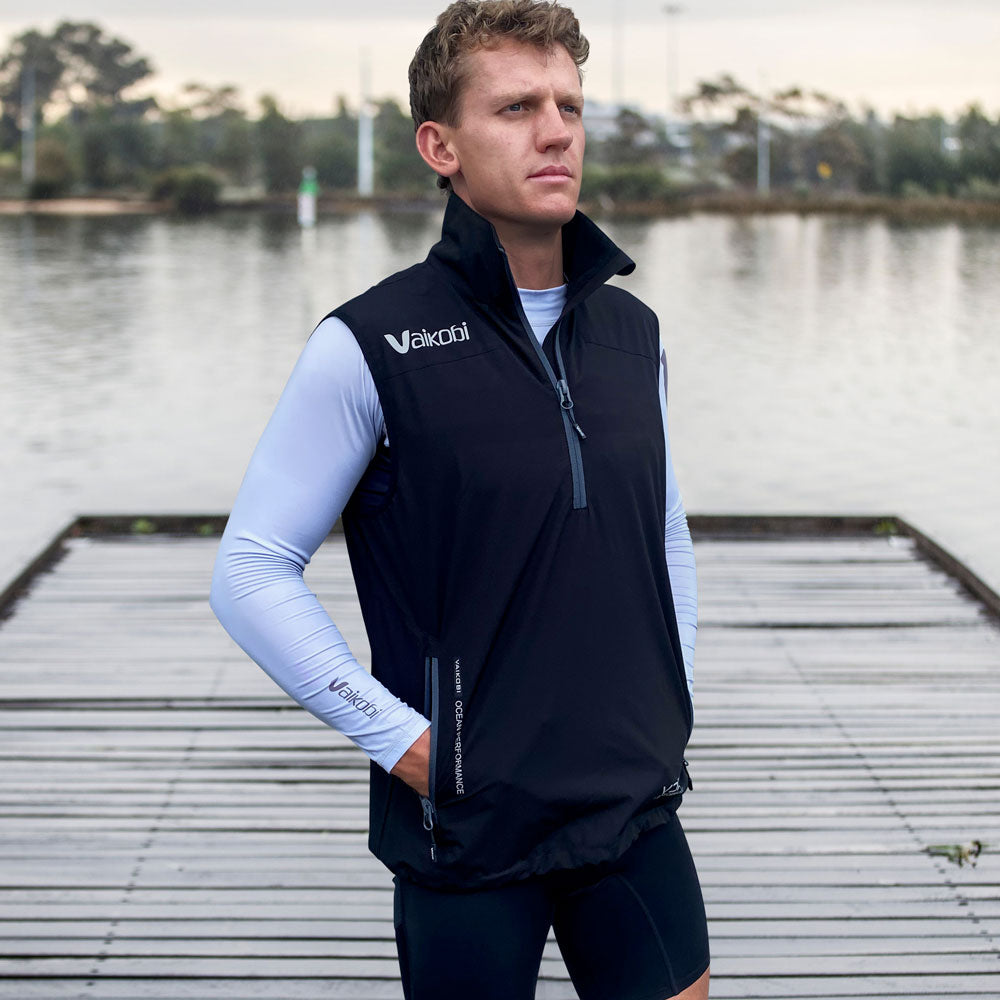
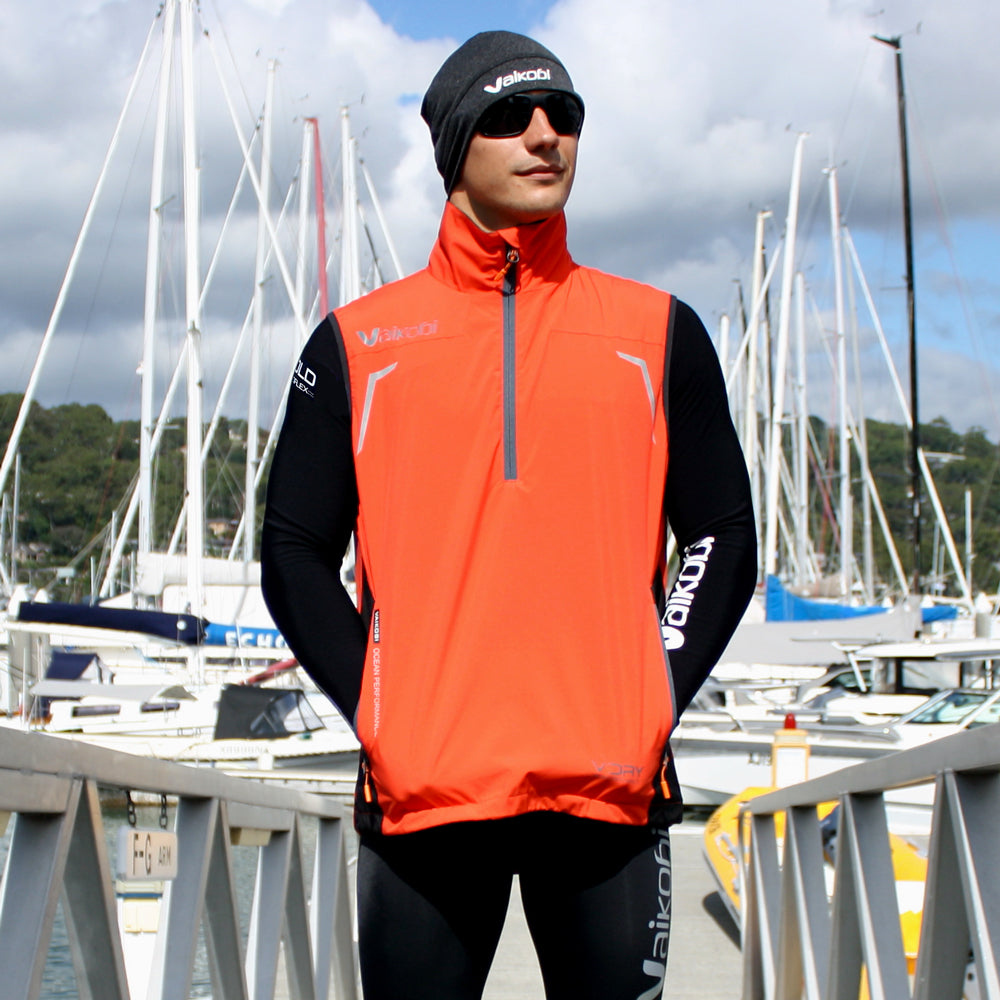
For cold weather paddling, layering is key. Start with a VCOLD thermal base layer - choose between the Base Layer Top, Hydroflex Top, or Flex Top depending on conditions — and pair with either Flex Pants, Hydroflex Pants or wetsuit pants for your lower body. Add a VDRY smock or 1/2 zip vest as your outer layer to keep wind and water spray off your core. Vaikobi smocks and vests are designed to be worn under a PFD and feature waterproof taped seams to prevent water flushing up the sleeves, plus ventilation panels to keep you warm without overheating. For the coldest sessions, layer a FlexForce wetsuit underneath for maximum protection. Complete the kit with neoprene socks and gloves to protect your extremities. Read our cold water paddling gear and safety guide for more, or shop the Stay Warm collection.

What should I wear foiling in cold conditions?

Foiling in cold conditions requires gear that keeps you warm without restricting the dynamic movement the sport demands. Vaikobi's FlexForce wetsuit range is ideal - designed for high-output watersports with maximum stretch and thermal protection. Layer underneath with a VCOLD thermal top for extra warmth on the coldest days. A PFD or impact vest is strongly recommended for foiling regardless of conditions, and a bump hat is essential head protection given the risk of contact with the mast and foil hardware. Complete your kit with neoprene socks or water shoes to keep your feet protected on the board. Read more in our foil surfing gear and safety guide.

What's the best gear to wear sailing in winter?

Staying warm while sailing in winter is all about layering without compromising mobility. Here's what to prioritise:

  • Base layer — a VCOLD thermal top keeps your core warm while wicking moisture during intense hiking and trimming
  • Wetsuit — the FlexForce 2mm Long John is a proven choice for dinghy and skiff sailing, offering warmth and stretch without bulk
  • Outer layer — a VDRY smock blocks sea spray — the biggest cause of cold discomfort when sailing downwind at speed
  • Footwearsailing boots protect feet on wet decks and prevent hiking strap contact injuries
  • Gloves — essential for line handling in cold conditions; see our sailing gloves range

Read our full guide to winter dinghy sailing gear.

How does VCOLD FLEX work?

VCOLD Flex is Vaikobi's intelligent thermal regulation technology designed for cold water watersports including paddling, sailing, foiling, kayaking, and SUP. Unlike traditional insulation that simply traps heat, VCOLD Flex actively regulates your body temperature - keeping you warm when you need it and allowing excess heat and moisture to escape as your intensity increases.

The fabric combines a thermal fleece inner lining for insulation, a wind-resistant outer surface, and a high-stretch construction for unrestricted movement. The result is all-day comfort across a wide range of conditions and activity levels, without the overheating associated with traditional cold-weather gear. Read more about how VCOLD Flex works to keep you warm.

What temperature can I wear FlexForce in?

FlexForce is designed for apparent air temperatures of 16°C (60°F) and below - covering cool to freezing cold water conditions. Note that apparent air temperature accounts for wind chill and humidity, not just the forecasted temperature. As a rule of thumb, if there's wind on the water, subtract a few degrees from the forecast; if conditions are calm and you're unlikely to get wet, add a few degrees. For a full breakdown of what to wear across all temperature ranges, check out the Vaikobi Gear Guide or shop the FlexForce range.

Which sports are most suited to the FlexForce range?

The FlexForce wetsuit range is designed alongside Vaikobi athletes for sailing, windsurfing, paddling, kayaking, surf ski, canoeing, foiling, and most watersports in cool to cold conditions. The range is available in two thicknesses to suit the conditions:

  • FlexForce 2mm — for cool to cold conditions, offering warmth and maximum stretch for high-output sports
  • FlexForce 3.5mm — for cold to freezing conditions, delivering serious thermal protection without compromising mobility

Both are designed for training or racing in apparent air temperatures of 16°C (60°F) and below. Read more about how the FlexForce range works or shop the FlexForce range.