

Sailing Thermal Clothing

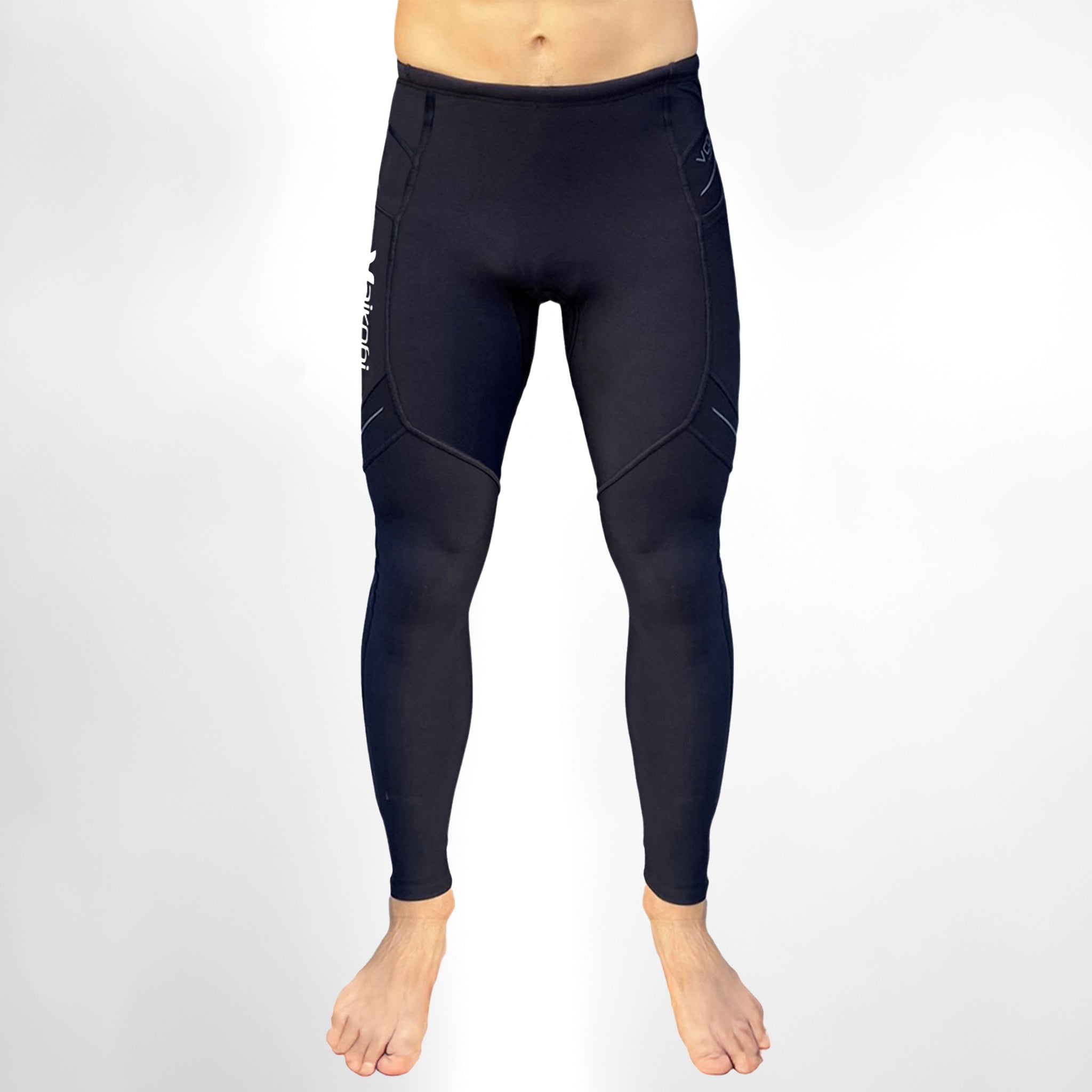
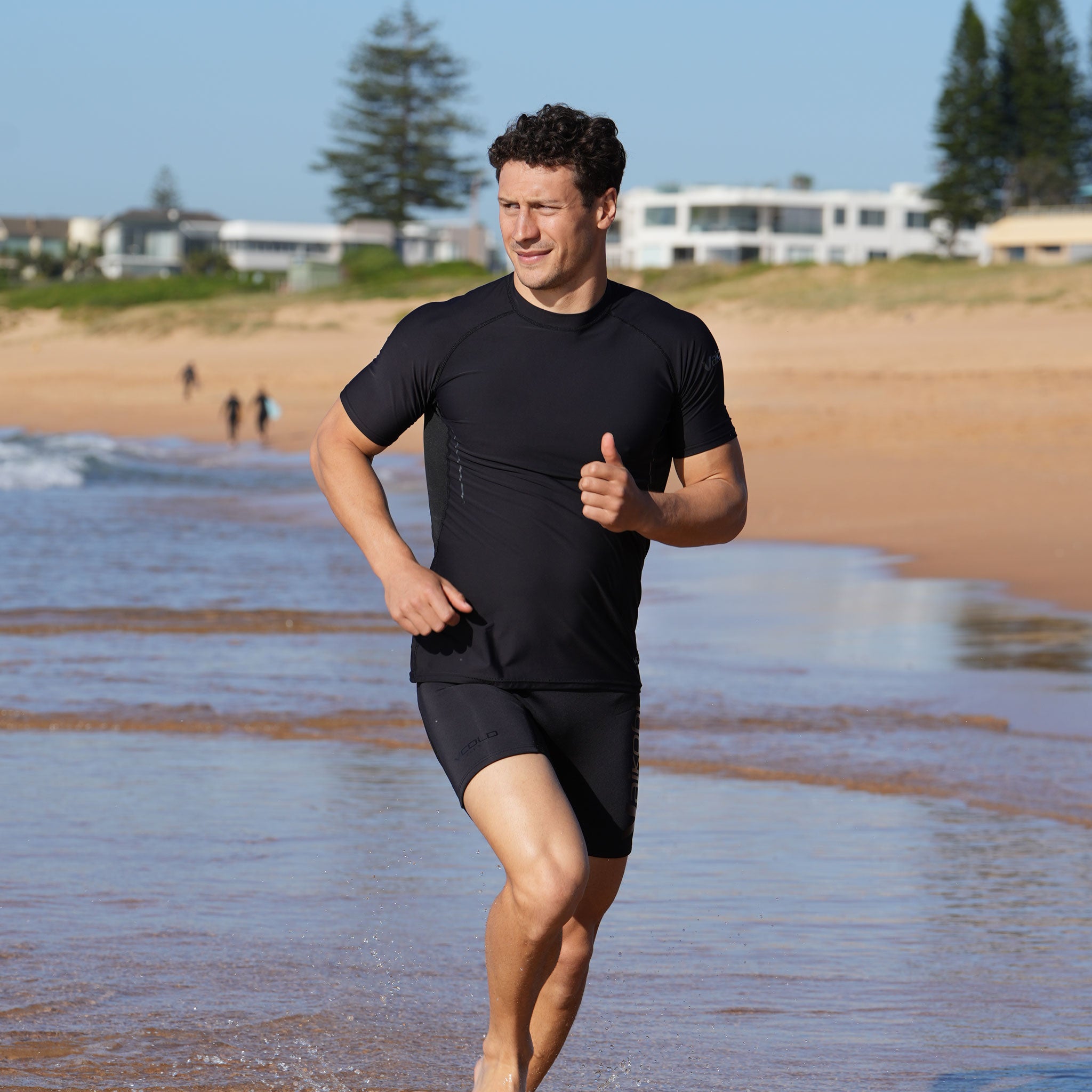
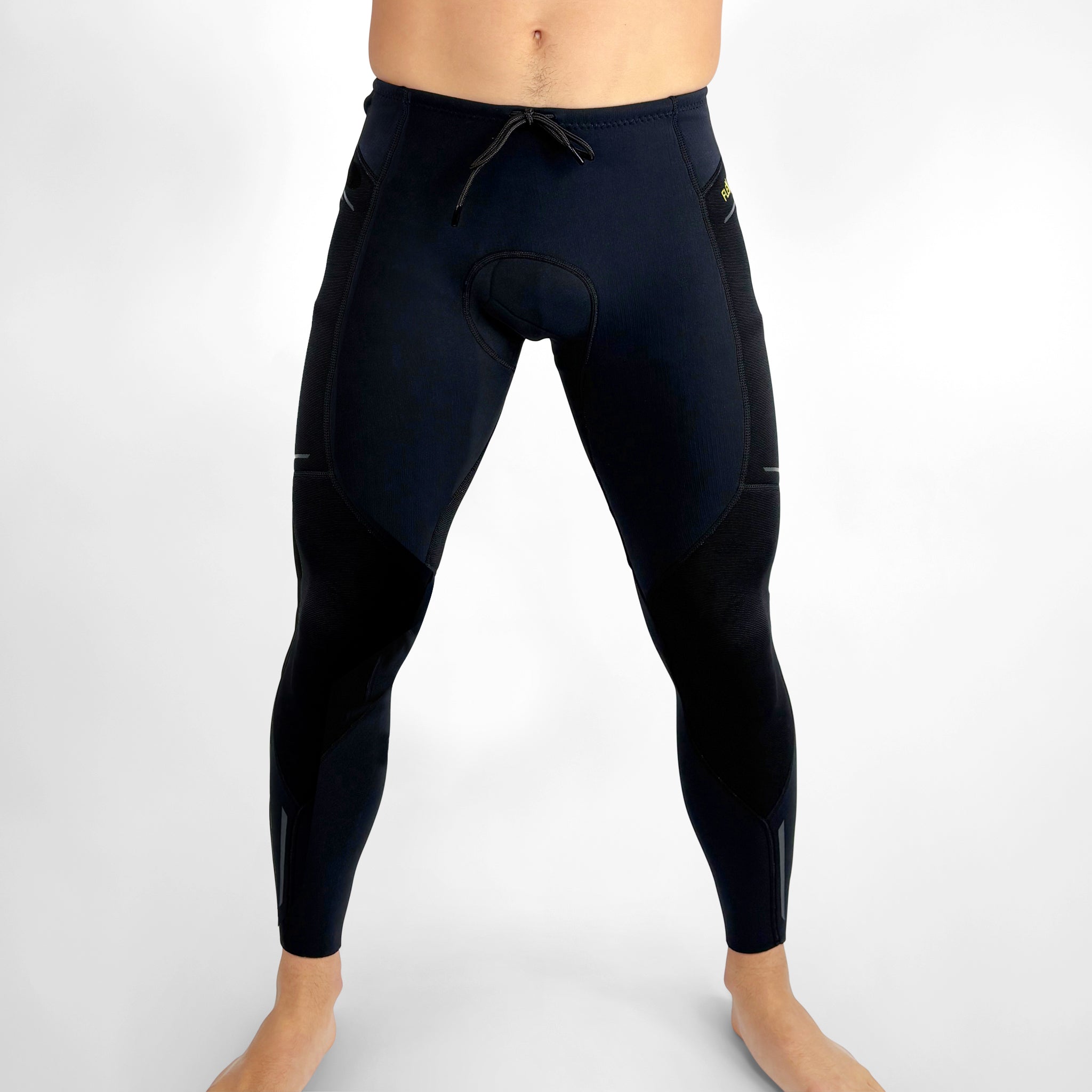
Vaikobi's VCOLD collection offers a comprehensive range of thermal clothing designed to keep sailors warm and comfortable in cool to cold conditions. This collection includes thermal underwear, thermal pants, and other thermal wear, all engineered to enhance performance and protection on the water.

Advanced Thermal Regulation: The VCOLD range utilizes innovative materials that provide excellent insulation while allowing for breathability. This ensures sailors maintain optimal body temperature without overheating. 

Lightweight and Flexible Design: The thermal clothes are crafted from lightweight fabrics that offer a snug fit without restricting movement, essential for active sailing. The flexibility of the materials ensures comfort during various sailing maneuvers. 

Quick-Drying and Moisture-Wicking Properties: Vaikobi's thermal wear is designed to wick moisture away from the skin and dry rapidly, keeping sailors dry and reducing the risk of chills in cold environments. 

Investing in Vaikobi's thermal clothing provides sailors with several advantages, including Enhanced Comfort: The combination of thermal insulation and moisture management ensures sailors remain warm and dry, allowing for longer and more enjoyable time on the water. Improved Performance: Maintaining optimal body temperature helps prevent fatigue and allows sailors to perform at their best, even in challenging weather conditions.

Versatility: The range includes various options such as thermal underwear and thermal pants, enabling sailors to layer according to the specific demands of their sailing environment.

Sailors who require a buoyancy vest can choose from our range of sailing and windsports life jackets.

Explore the full range of Vaikobi's VCOLD collection online to find the ideal thermal clothing for your sailing needs. 

Vaikobi's VCOLD collection offers a comprehensive range of thermal clothing designed to keep sailors warm and comfortable in cool to cold conditions. This collection includes thermal underwear, thermal pants, and...
Filter by: Filter by:
Availability
Availability
Size
Size
Clothing Type
Clothing Type
Sport
Sport
Colour
Colour
Temperature Rating
Temperature Rating
Gender
Gender
FAQs
What's the best gear to wear sailing in winter?

Staying warm while sailing in winter is all about layering without compromising mobility. Here's what to prioritise:

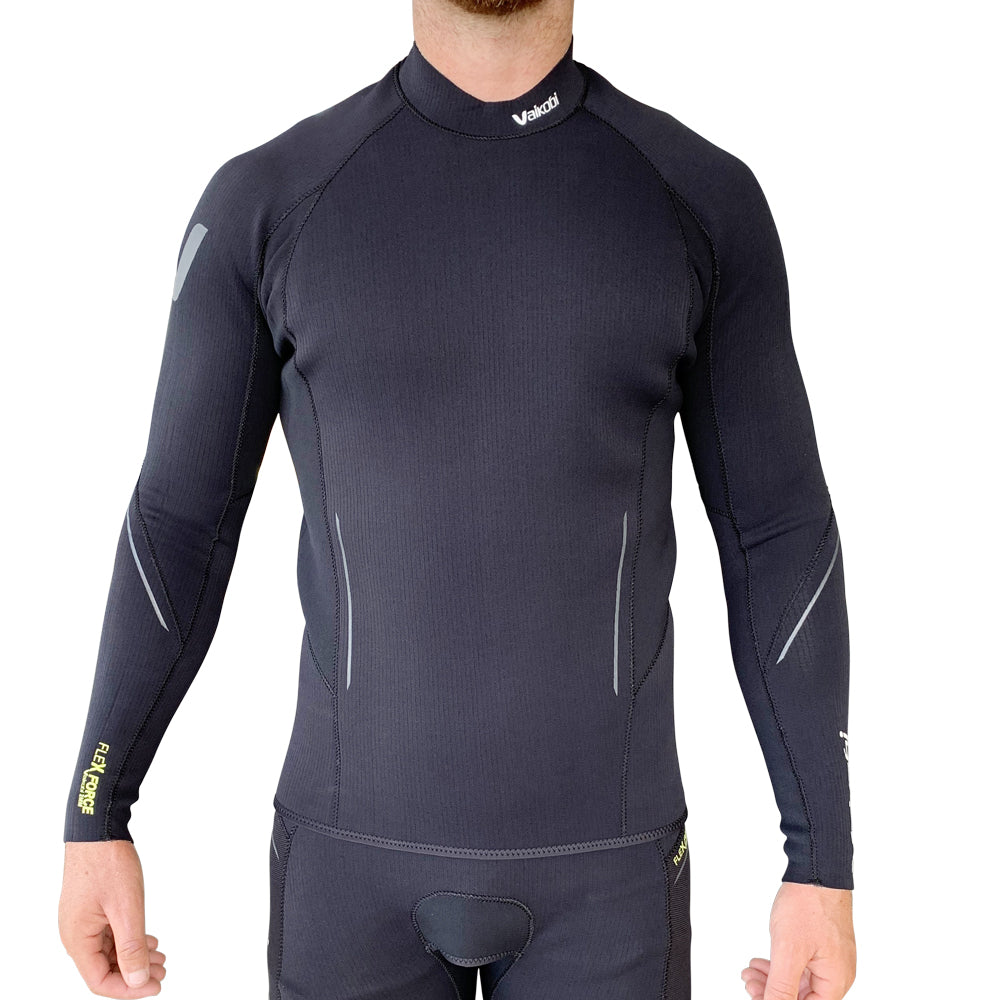
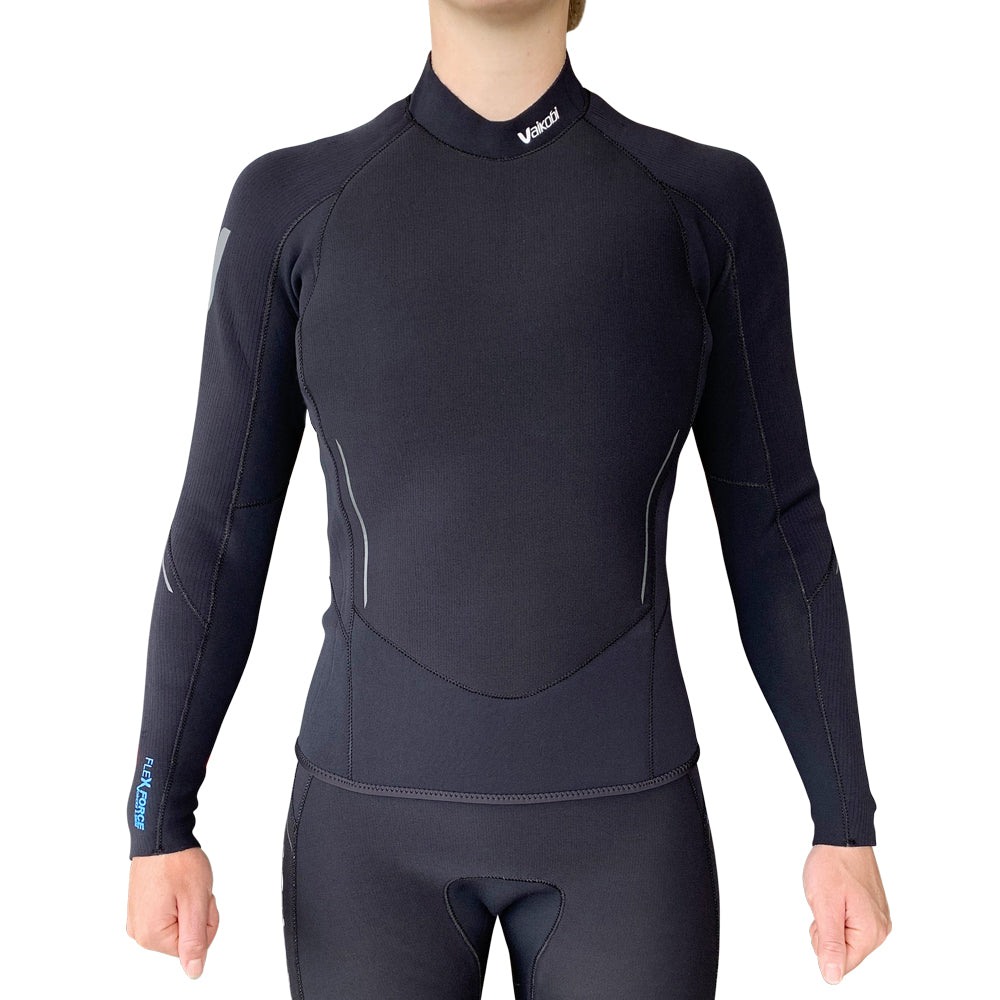
  • Base layer — a VCOLD thermal top keeps your core warm while wicking moisture during intense hiking and trimming
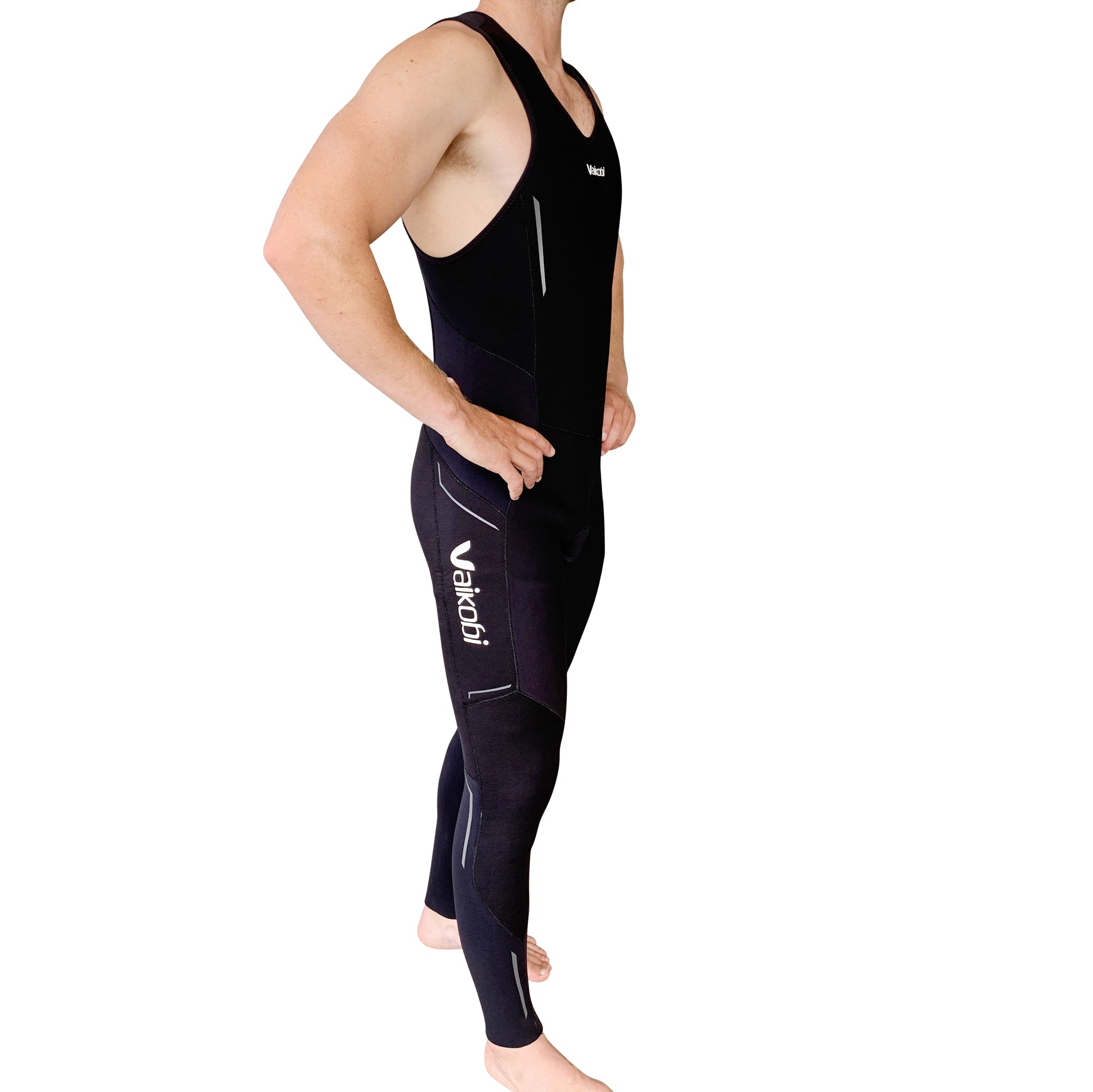
  • Wetsuit — the FlexForce 2mm Long John is a proven choice for dinghy and skiff sailing, offering warmth and stretch without bulk
  • Outer layer — a VDRY smock blocks sea spray — the biggest cause of cold discomfort when sailing downwind at speed
  • Footwearsailing boots protect feet on wet decks and prevent hiking strap contact injuries
  • Gloves — essential for line handling in cold conditions; see our sailing gloves range

Read our full guide to winter dinghy sailing gear.

Why wear thermals when sailing?

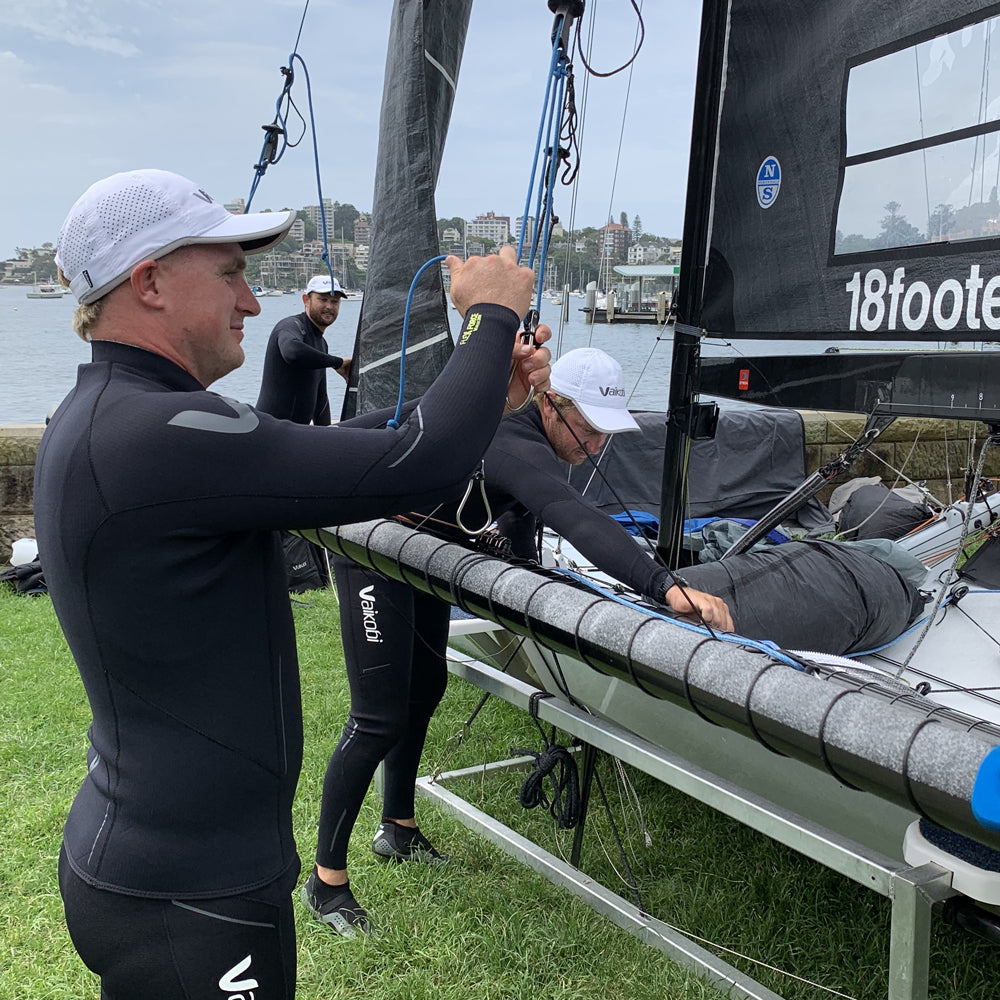
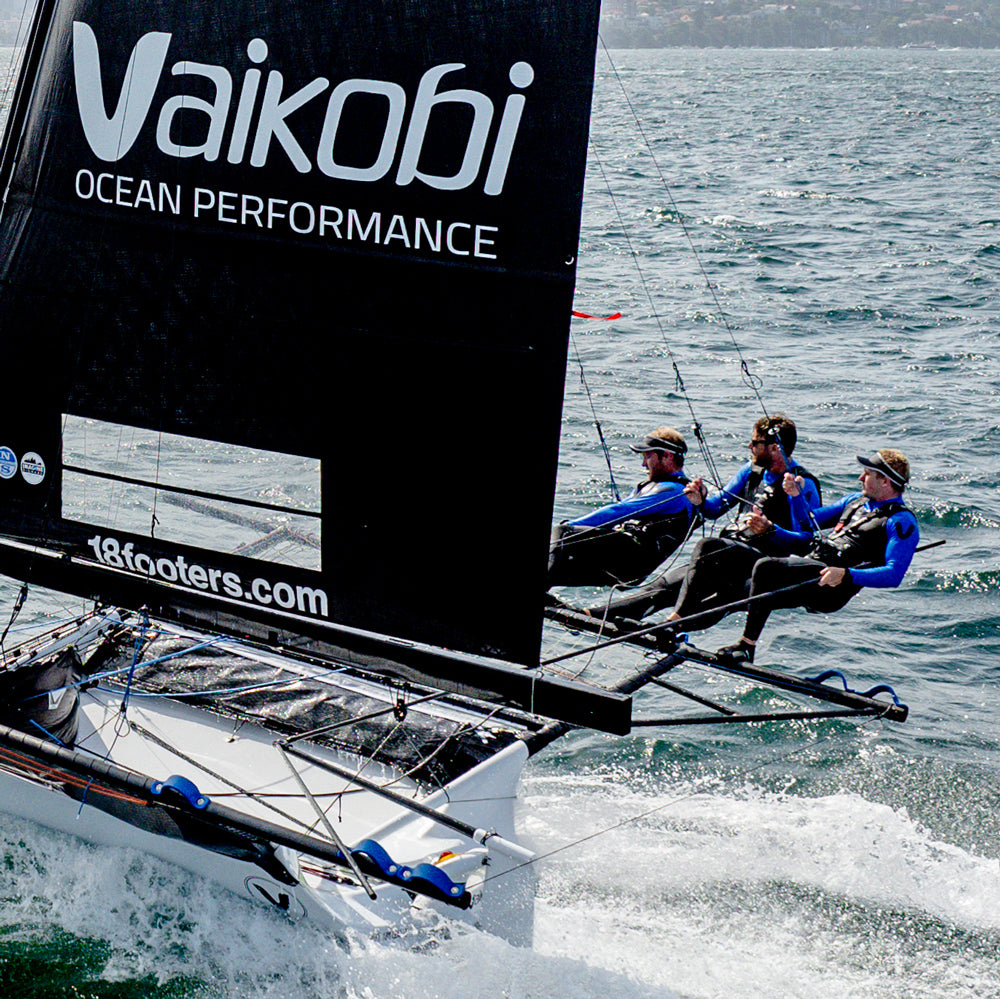
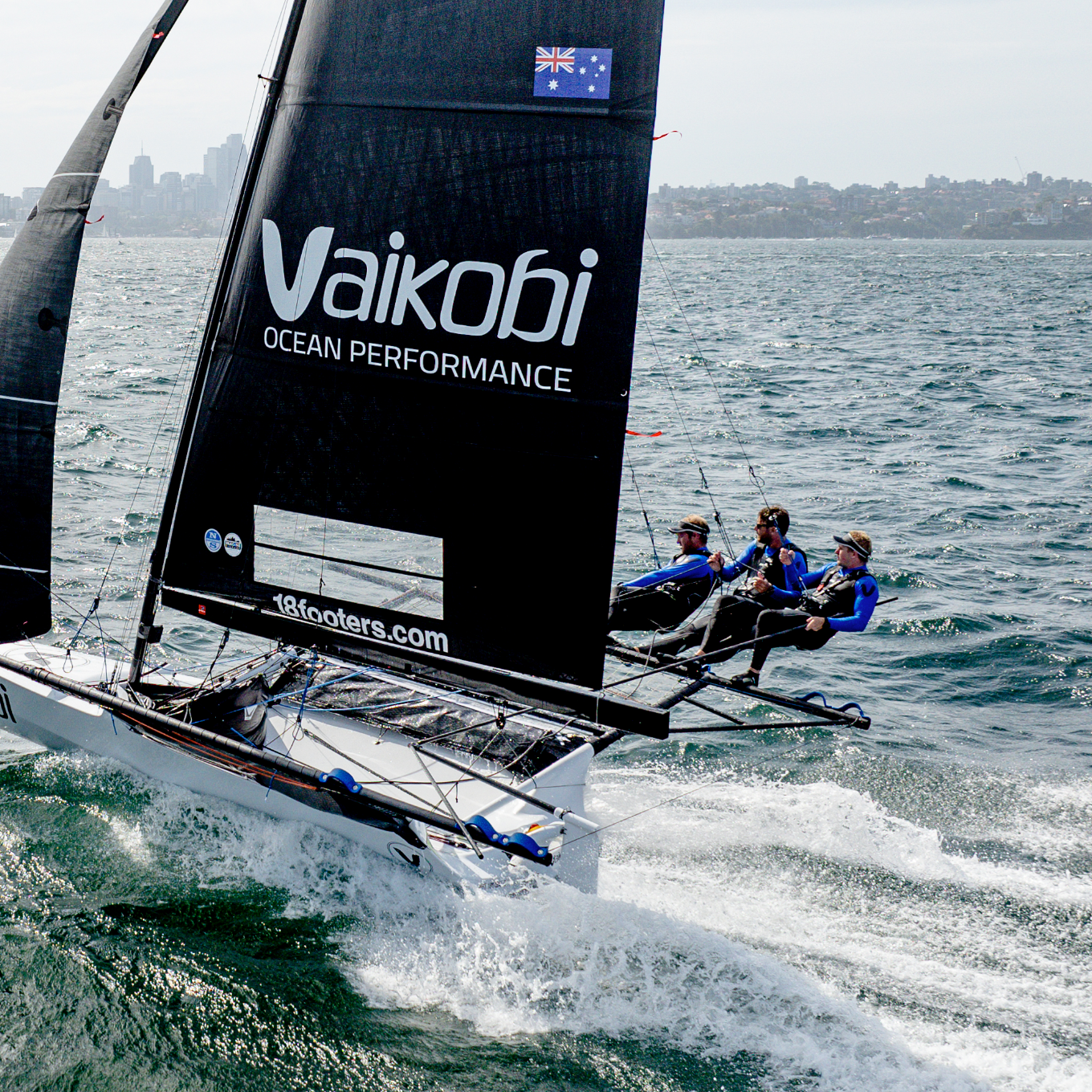
Sailing exposes you to constant wind, spray, and shifting weather conditions — making thermal wear one of the most important pieces of kit in your sailing wardrobe. A well-chosen thermal base layer regulates your body temperature by trapping warmth next to your skin when it's cold, and wicking moisture away when your output increases — keeping you dry, comfortable, and focused on the race rather than the conditions. Thermal tops and pants designed specifically for dinghy sailing and yacht racing also use moisture-wicking, quick-dry fabrics and seamless construction that layers cleanly under wetsuits and spray gear without restricting movement. Read more about the benefits of thermal wear for sailing.

Which VCOLD top should I wear?

Vaikobi has three specially designed cold water tops — here's how to choose:

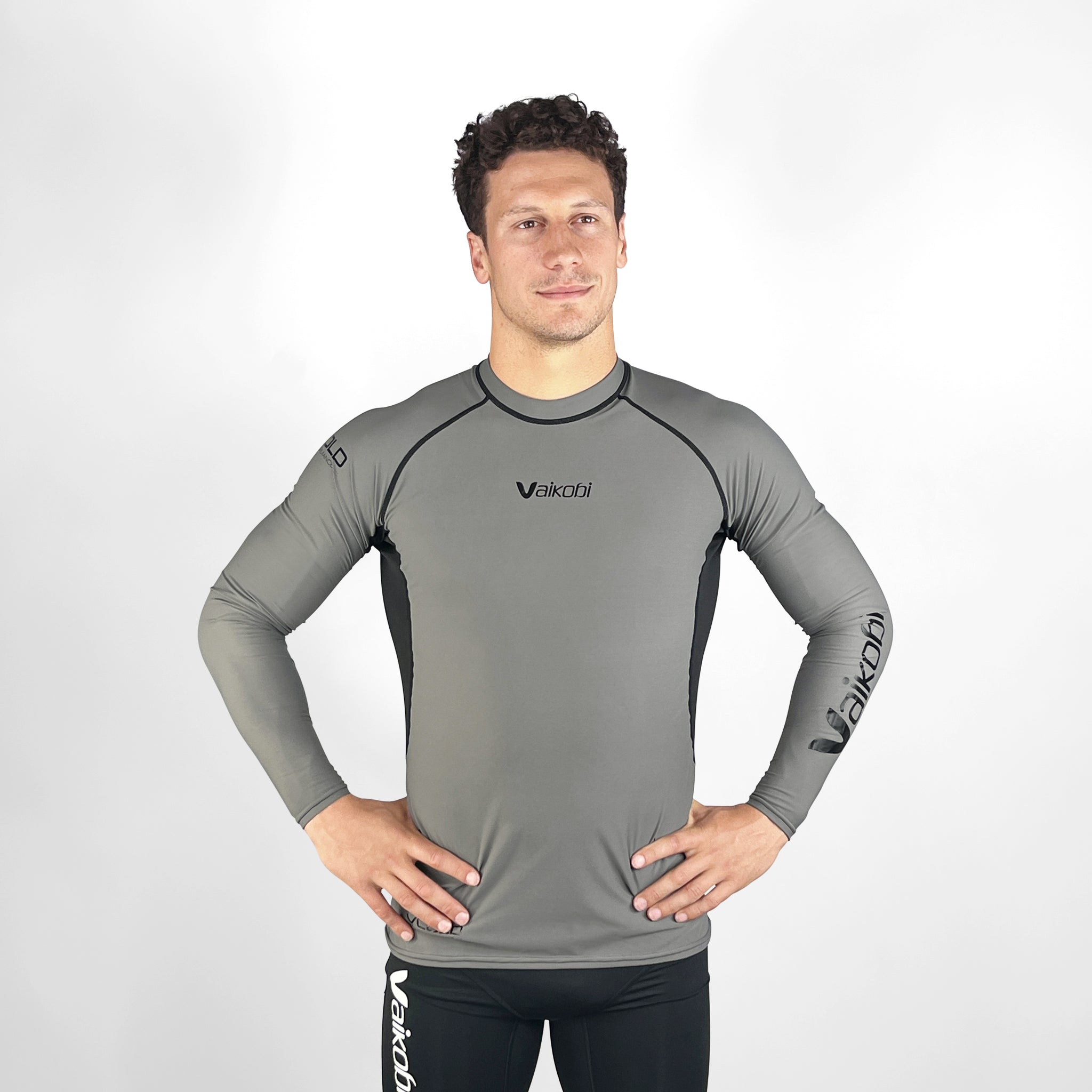
  • VCOLD Base Layer Top (Warm) — a lightweight, quick-dry thermal top ideal for cool conditions and high-output sports. Versatile enough to wear alone or layer under a wetsuit or VDRY vest. Best for active paddlers and sailors who heat up quickly.
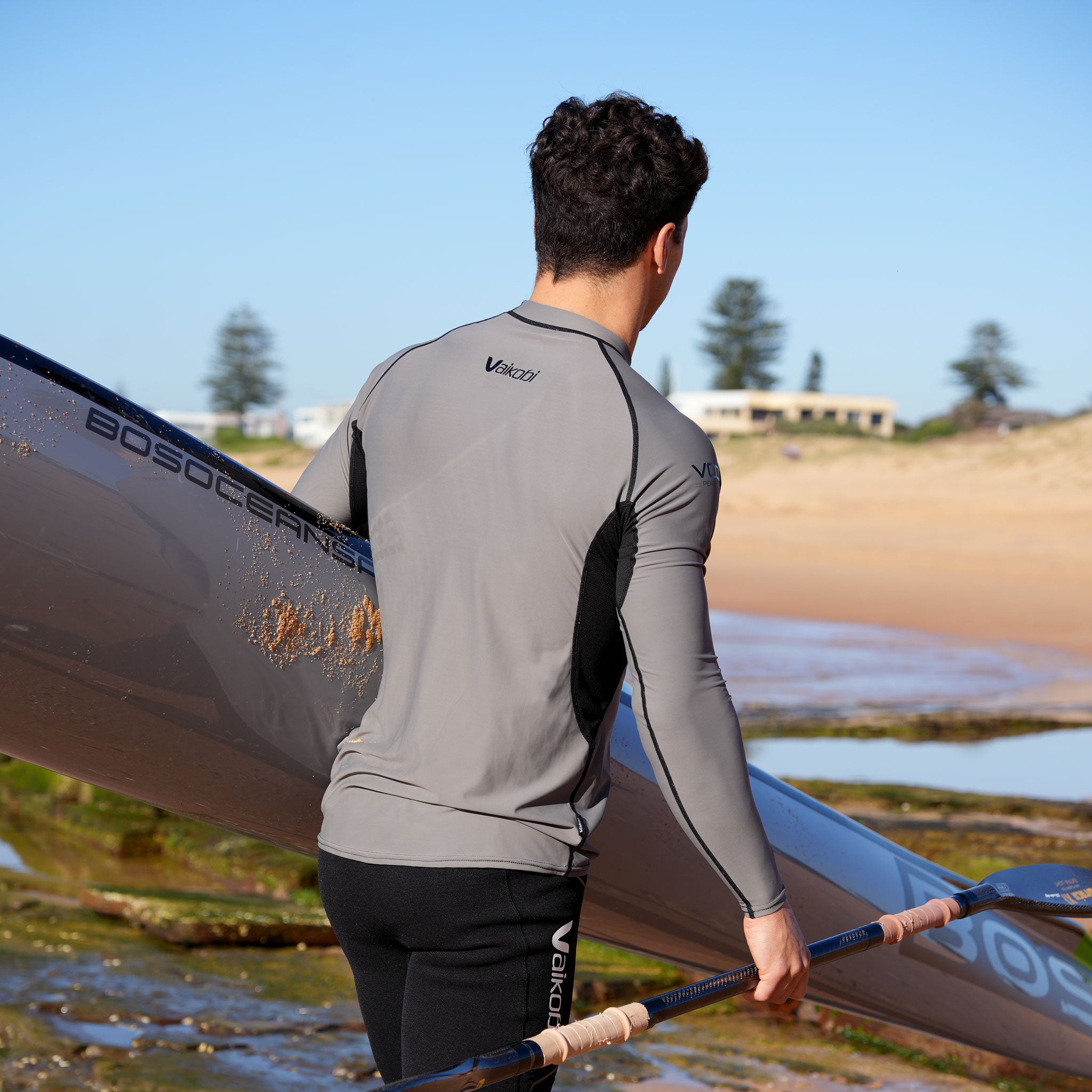
  • VCOLD Hydroflex Top (Warmer) — uses hollow yarn fabric with a hydrophobic outer coating that sheds water and dries rapidly, keeping spray off your skin and core. Features a super soft fleece neck and scooped lower back hem to prevent water flushing up. Ideal for choppier water, seated paddlers, rowers, and dinghy sailors.
  • VCOLD Flex Top (Warmest) — for the days you can see your breath in the air. Uses VCOLD Flex Airprene technology with a plush pile inner liner and perforated panels for thermal regulation and breathability. Form-fitting by design to maximise core warmth. Best for cold water immersion sports including kayaking, surfski, and downwind paddling.

Read our complete guide to choosing the right VCOLD thermal top.

What VCOLD pants is right for you?

Vaikobi has three VCOLD pants for cold water watersports — here's how to choose:

  • VCOLD GBS 3mm Paddle Pant — for freezing to cold conditions. The thickest and warmest option, with GBS liquid seams to stop water creeping in, a high back design to protect the lower back in a seated paddling position, and a plush inner fleece lining. Best for conditions where you can see your breath in the air.
  • VCOLD Flex Paddle Pant — for cold to cool conditions (5°C and above). Vaikobi's most versatile pant, using Airprene fabrication that breathes as your body heats up — so you won't overheat if the sun comes out or the wind drops mid-session. A best seller for good reason.
  • VCOLD Hydroflex Pant — for cool to mild conditions (up to ~17°C). A lightweight quick-dry microfleece pant that feels more like a thermal legging than a wetsuit pant — ideal for those who don't like neoprene but still need cold water protection.

For warm water paddling and watersports, see our UV range of pants instead. Read the full guide to choosing the right VCOLD pant.

What is neoprene?

Neoprene is a synthetic rubber material laminated together with fabric layers, widely used in wetsuits, wetsuit tops, pants, and socks for watersports. It works by trapping a thin layer of water against your skin, which your body warms to create insulation against cold water and wind chill. Not all neoprene is equal though - some contains harmful chemicals, which is why Vaikobi's FlexForce range is manufactured using REACH compliant neoprene, meaning it's free from harmful substances. Find out more about how to choose a REACH certified neoprene wetsuit.

Is neoprene waterproof?

Neoprene is not waterproof — it's actually designed to let a small amount of water in. That water gets trapped between the neoprene and your skin, where your body heat warms it up to create an insulating layer, keeping you warm in cold water conditions. The thicker the neoprene, the more insulation it provides. It's this unique property that makes neoprene the go-to material for wetsuits, tops, pants, and socks across watersports like surfing, kayaking, sailing, and paddling. Explore our range of neoprene wetsuits, tops and pants for watersports.

How to care for your neoprene wetsuit?

Proper neoprene wetsuit care will significantly extend the life of your suit. The key rules: always remove your wetsuit while it's still wet, rinse with fresh water after every session to prevent salt corrosion, and dry flat in the shade - never in direct sun or a dryer, both of which degrade neoprene over time. Take extra care with zips, flushing out sand and salt to prevent seizing, and store your suit fully dry to avoid mould and odour.

For the full guide, read our neoprene wetsuit care tips and top 5 wetsuit care tips.

Are neoprene socks waterproof?

Neoprene socks (also known as wetsuit socks or wetsuit booties) work by trapping a thin layer of water against your skin, which your body then warms to keep your feet insulated - so while they're not waterproof, they're highly effective in cold water conditions.

They're ideal for kayaking, paddling, sailing, surfing, kitesurfing, and windsurfing. If you need full foot protection against sharp rocks, coral reefs, or sea urchins, water shoes or sailing boots are a better option.

Read more in our complete guide to wetsuit socks.