Wetsuits + Hikers

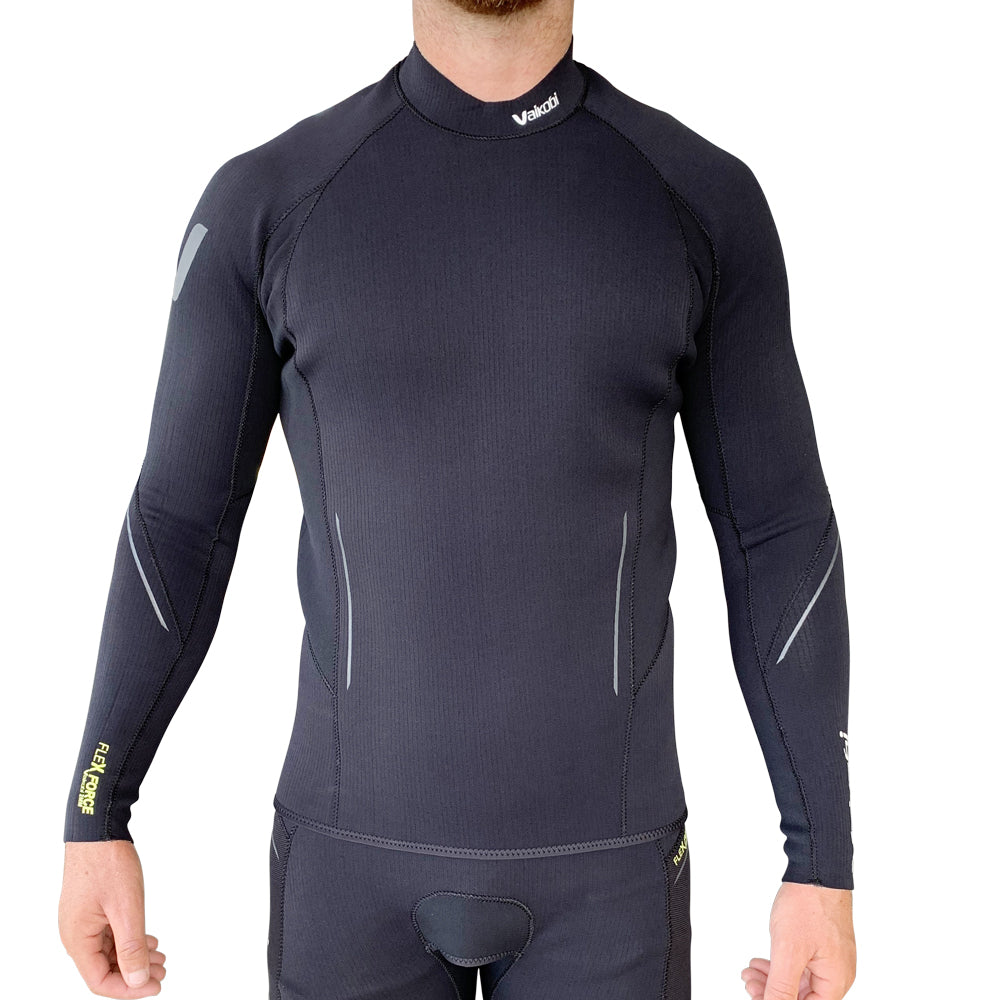
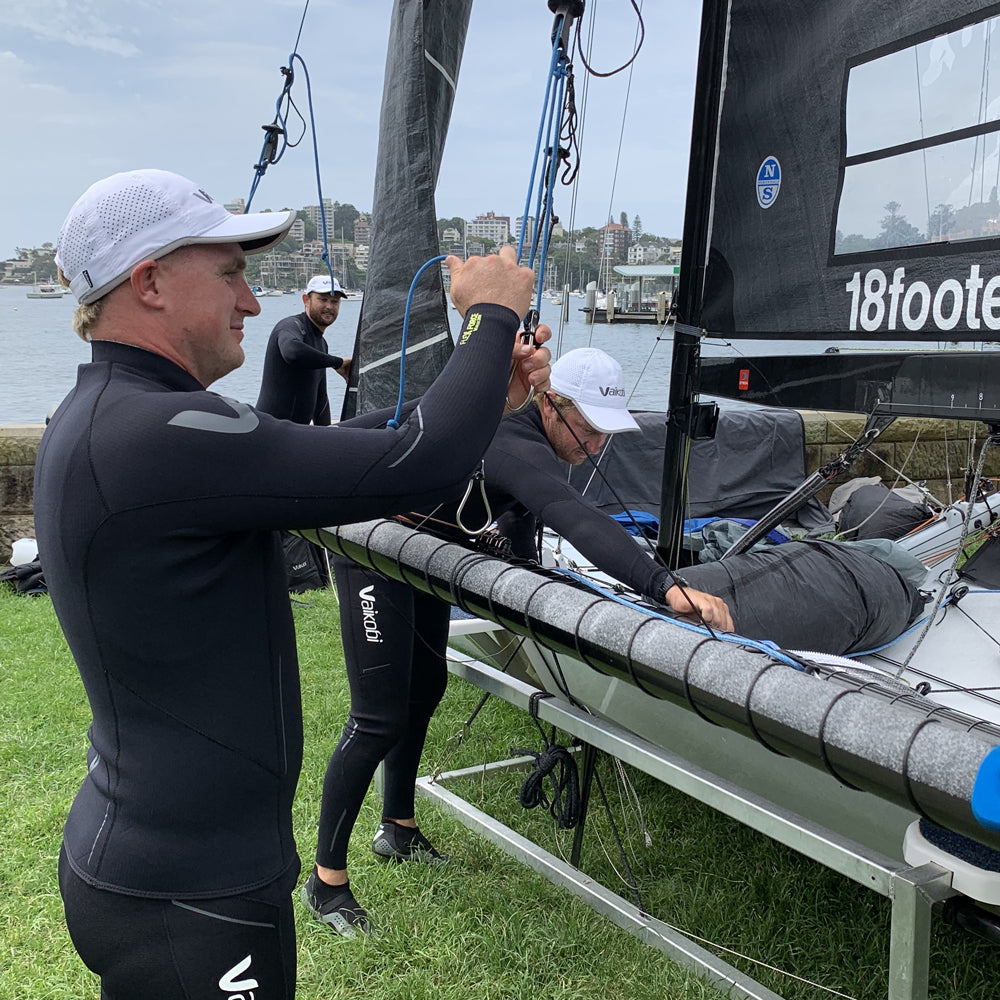
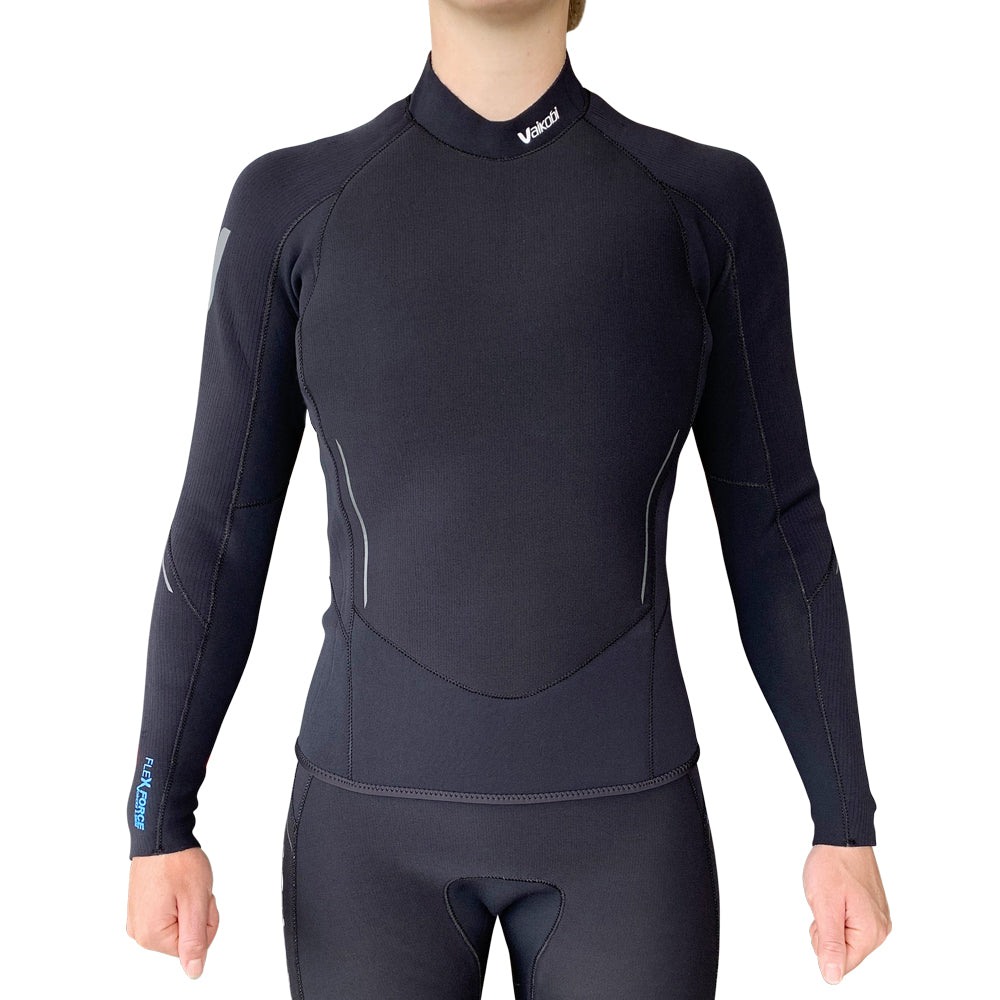
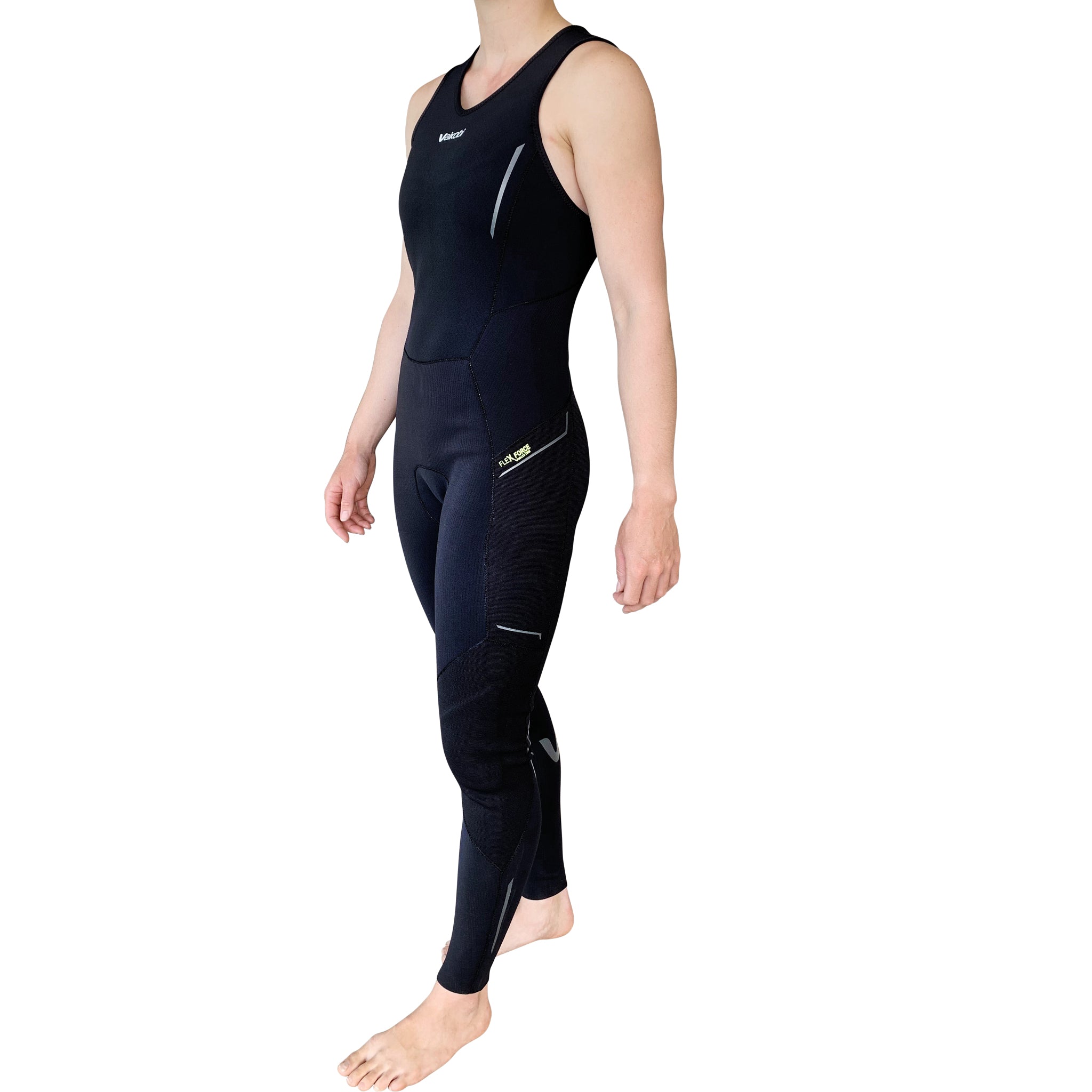
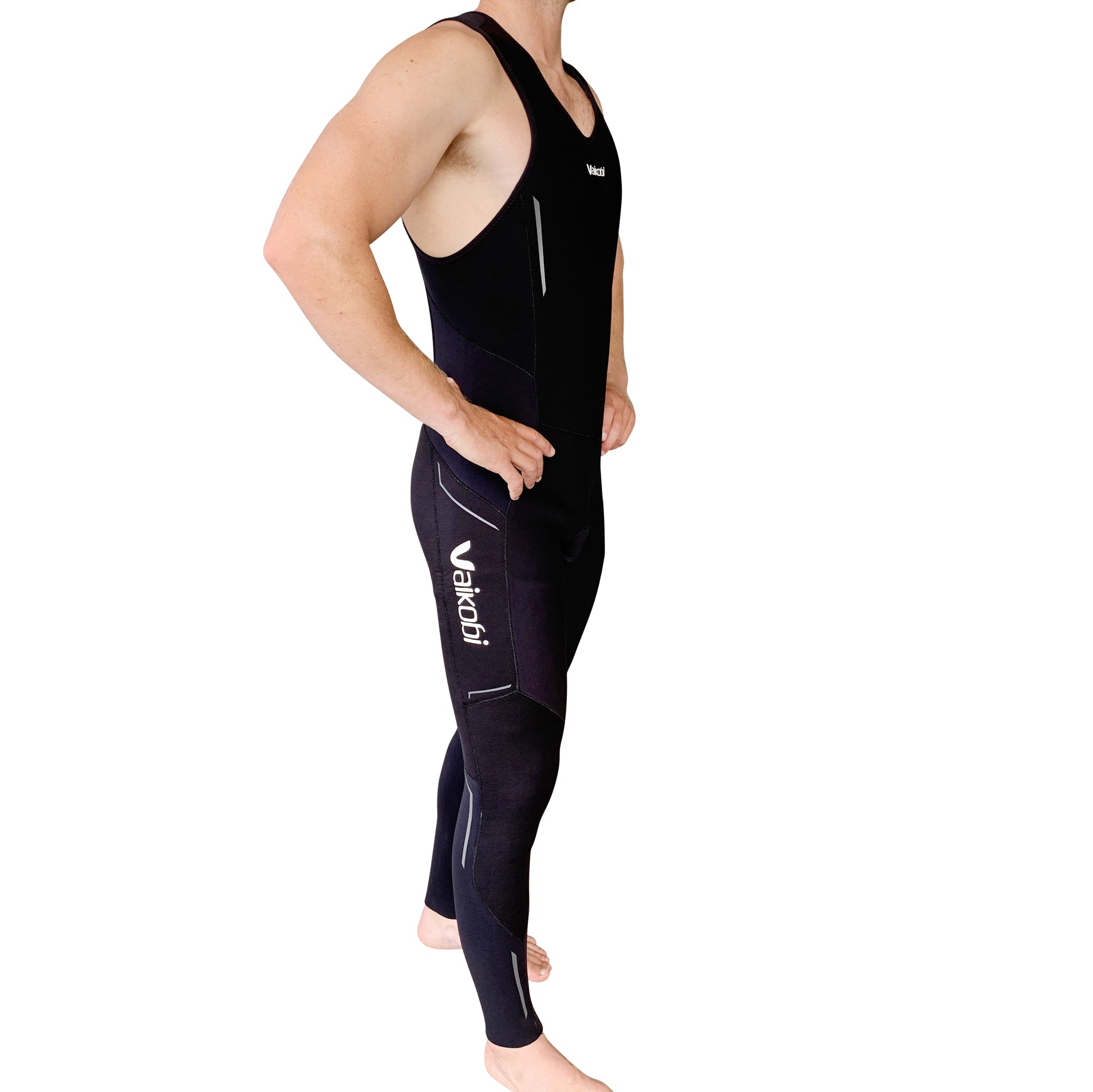
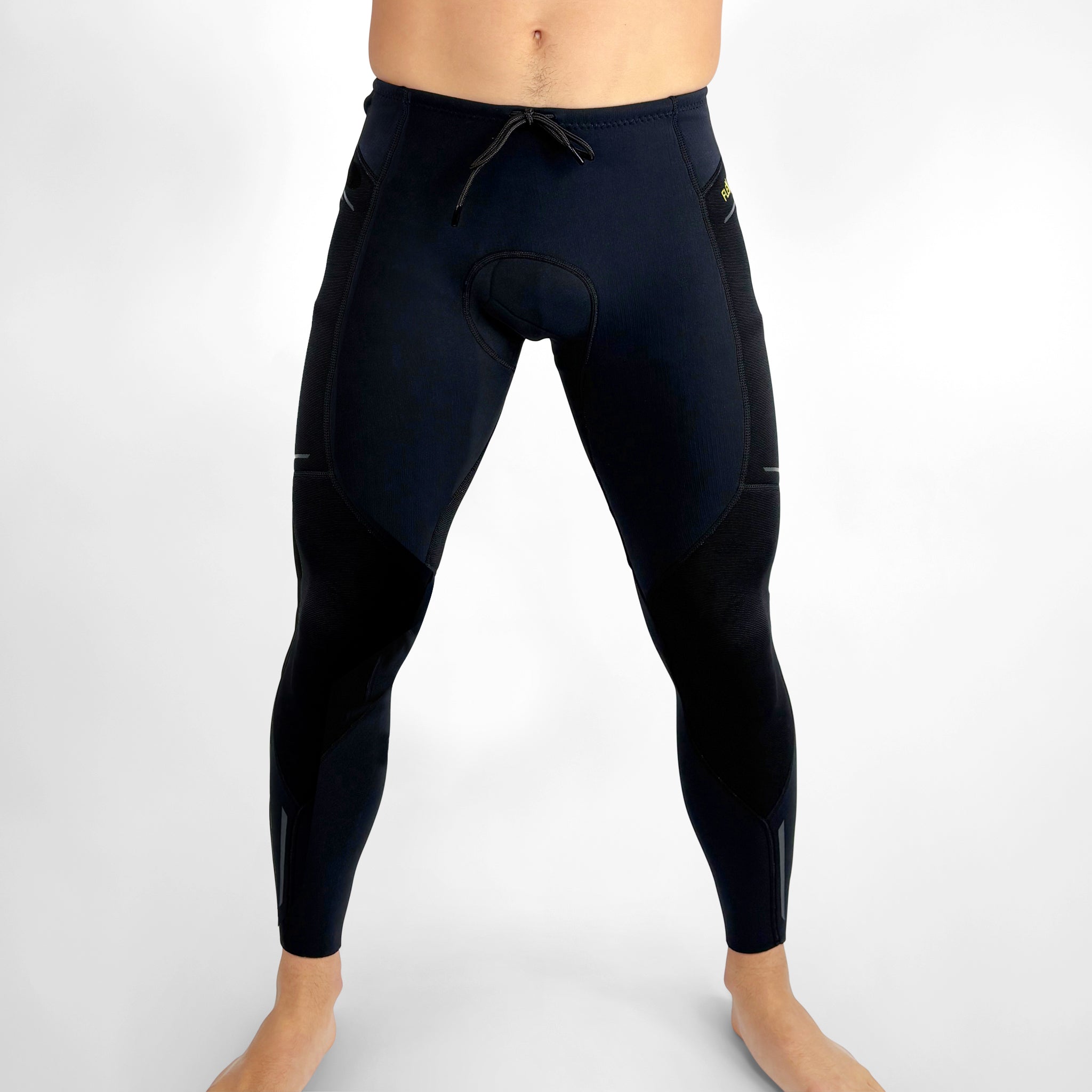
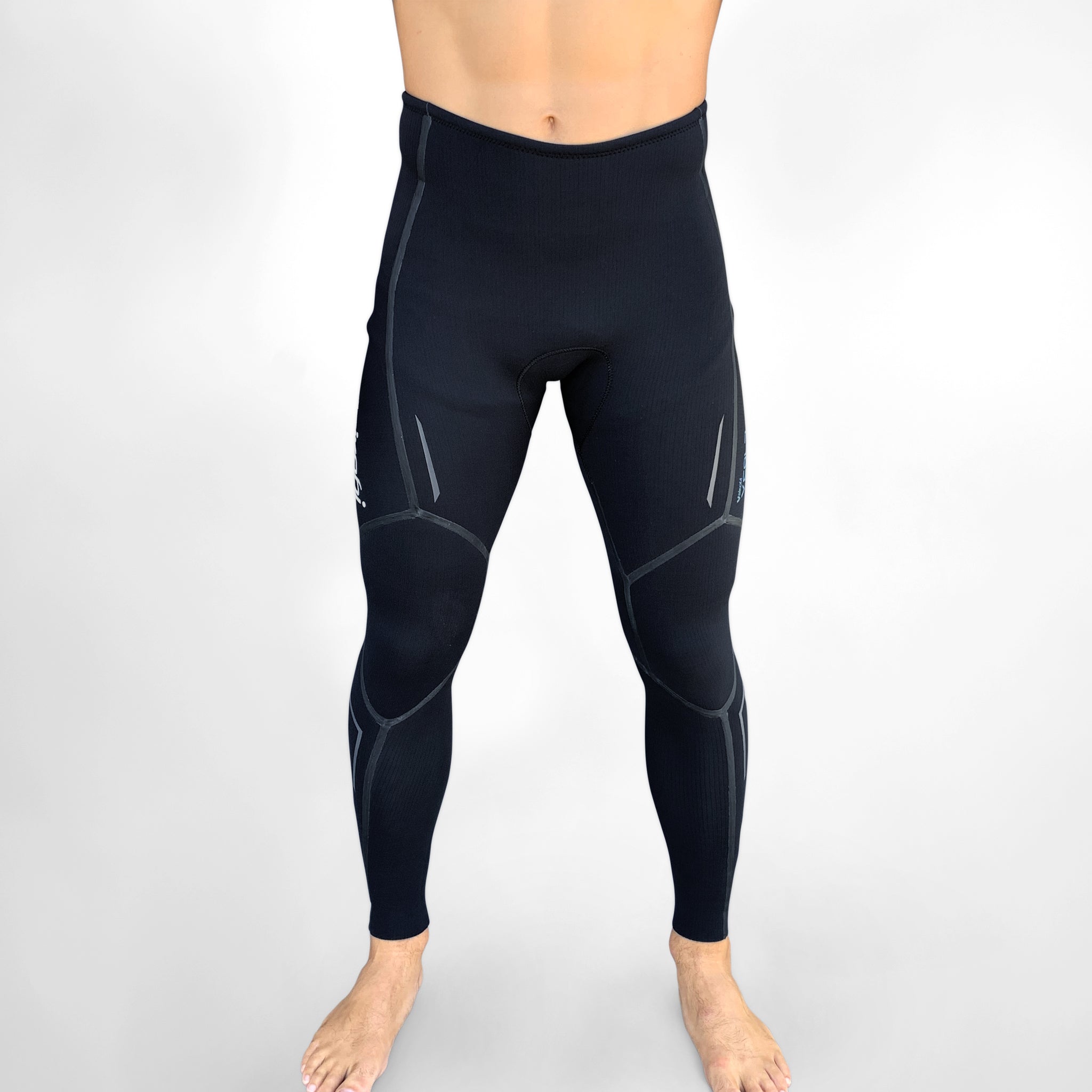
Vaikobi's wetsuit and hiker range is built for watersport athletes who demand warmth, stretch, and durability in the water. The FlexForce range comes in 2mm and 3.5mm configurations for versatility across conditions, with the Hiker Force Suit Gen2 designed specifically for dinghy sailors who need structured support and maximum hiking performance. Developed and tested in Australia alongside elite athletes.

Vaikobi's wetsuit and hiker range is built for watersport athletes who demand warmth, stretch, and durability in the water. The FlexForce range comes in 2mm and 3.5mm configurations for versatility...
Filter by: Filter by:
Availability
Availability
Size
Size
Clothing Type
Clothing Type
Sport
Sport
Colour
Colour
Temperature Rating
Temperature Rating
Gender
Gender
FAQs
What is Vaikobi Abrasion Resistant (VAR) technology?

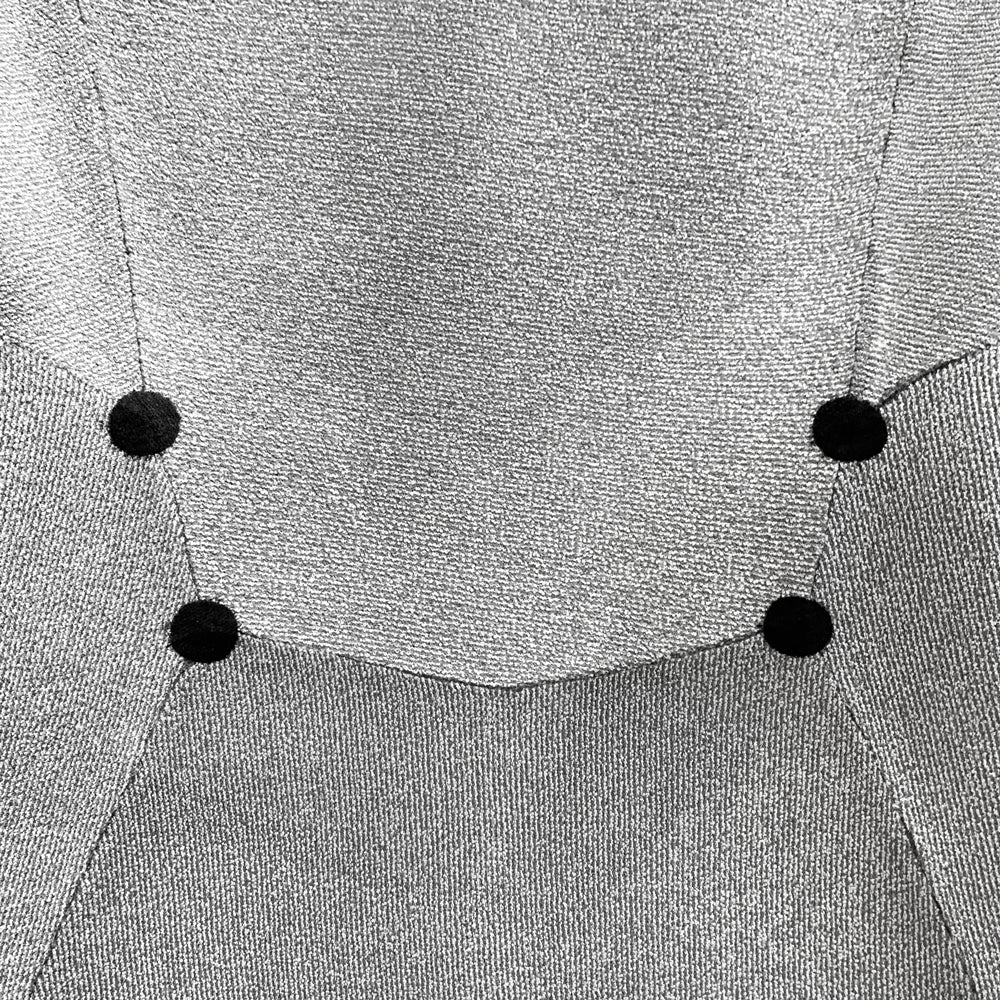
VAR stands for Vaikobi Abrasion Resistant — strategically placed reinforced panels built into Vaikobi FlexForce wetsuits at high-wear zones including the knees, seat, and other abrasion-prone areas. VAR panels protect against contact with boat hardware, decks, foot straps, and other equipment without sacrificing stretch or freedom of movement. For athletes who train and compete regularly, it means less wear, fewer repairs, and greater confidence in their gear season after season. Read more in our FlexForce wetsuit guide.

What temperature can I wear FlexForce in?

FlexForce is designed for apparent air temperatures of 16°C (60°F) and below - covering cool to freezing cold water conditions. Note that apparent air temperature accounts for wind chill and humidity, not just the forecasted temperature. As a rule of thumb, if there's wind on the water, subtract a few degrees from the forecast; if conditions are calm and you're unlikely to get wet, add a few degrees. For a full breakdown of what to wear across all temperature ranges, check out the Vaikobi Gear Guide or shop the FlexForce range.

Which sports are most suited to the FlexForce range?

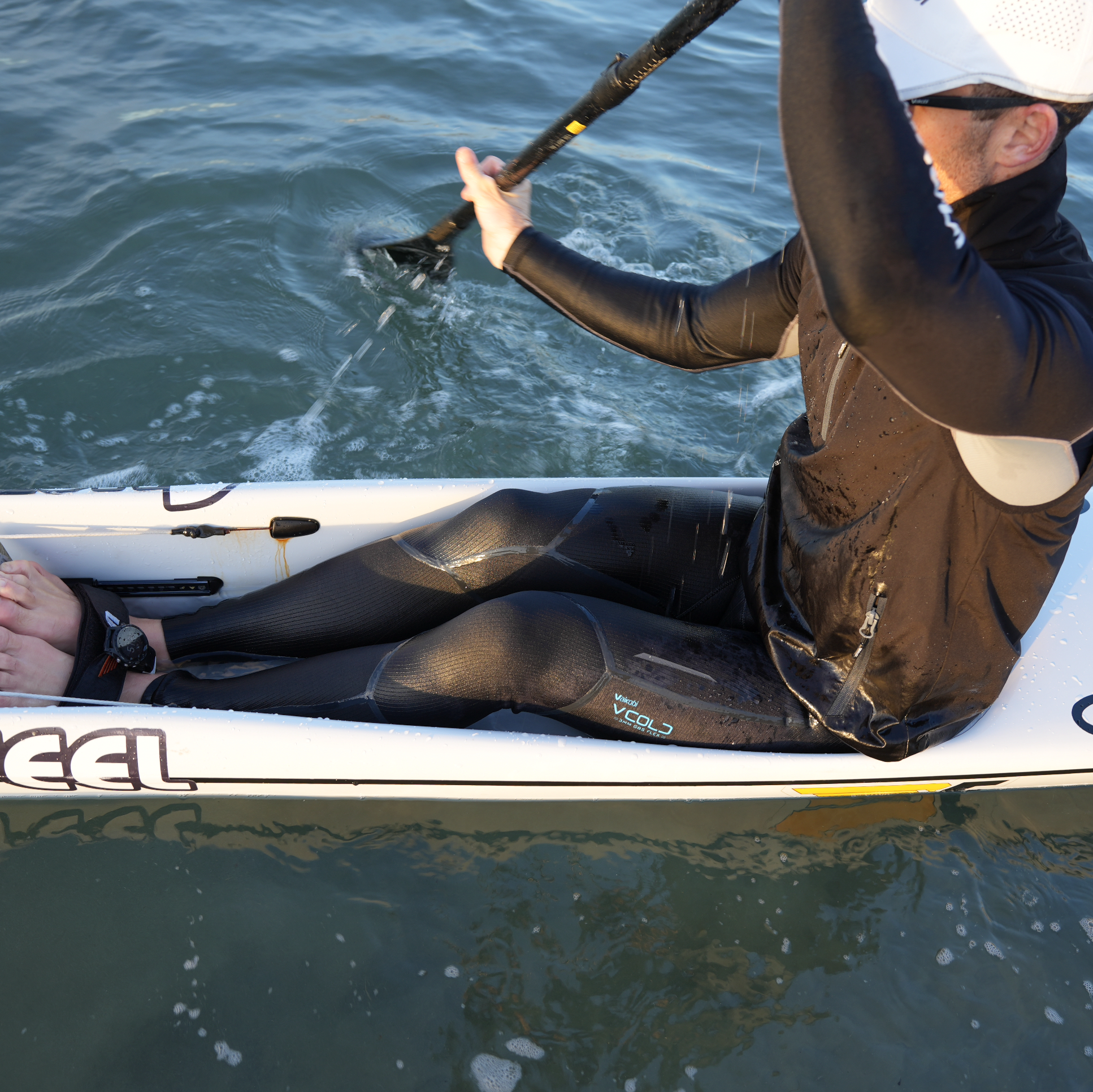
The FlexForce wetsuit range is designed alongside Vaikobi athletes for sailing, windsurfing, paddling, kayaking, surf ski, canoeing, foiling, and most watersports in cool to cold conditions. The range is available in two thicknesses to suit the conditions:

  • FlexForce 2mm — for cool to cold conditions, offering warmth and maximum stretch for high-output sports
  • FlexForce 3.5mm — for cold to freezing conditions, delivering serious thermal protection without compromising mobility

Both are designed for training or racing in apparent air temperatures of 16°C (60°F) and below. Read more about how the FlexForce range works or shop the FlexForce range.

How to care for your neoprene wetsuit?

Proper neoprene wetsuit care will significantly extend the life of your suit. The key rules: always remove your wetsuit while it's still wet, rinse with fresh water after every session to prevent salt corrosion, and dry flat in the shade - never in direct sun or a dryer, both of which degrade neoprene over time. Take extra care with zips, flushing out sand and salt to prevent seizing, and store your suit fully dry to avoid mould and odour.

For the full guide, read our neoprene wetsuit care tips and top 5 wetsuit care tips.

How do I trim the leg length of my Vaikobi wetsuit?

Vaikobi FlexForce wetsuits, long johns, wetsuit pants and hikers can be trimmed at home to get the perfect leg length for your height. Read our step-by-step guide on how to trim your Vaikobi wetsuit.

What's the best gear to wear sailing in winter?

Staying warm while sailing in winter is all about layering without compromising mobility. Here's what to prioritise:

  • Base layer — a VCOLD thermal top keeps your core warm while wicking moisture during intense hiking and trimming
  • Wetsuit — the FlexForce 2mm Long John is a proven choice for dinghy and skiff sailing, offering warmth and stretch without bulk
  • Outer layer — a VDRY smock blocks sea spray — the biggest cause of cold discomfort when sailing downwind at speed
  • Footwearsailing boots protect feet on wet decks and prevent hiking strap contact injuries
  • Gloves — essential for line handling in cold conditions; see our sailing gloves range

Read our full guide to winter dinghy sailing gear.

What is the best gear combination for cold weather paddling?

For cold weather paddling, layering is key. Start with a VCOLD thermal base layer - choose between the Base Layer Top, Hydroflex Top, or Flex Top depending on conditions — and pair with either Flex Pants, Hydroflex Pants or wetsuit pants for your lower body. Add a VDRY smock or 1/2 zip vest as your outer layer to keep wind and water spray off your core. Vaikobi smocks and vests are designed to be worn under a PFD and feature waterproof taped seams to prevent water flushing up the sleeves, plus ventilation panels to keep you warm without overheating. For the coldest sessions, layer a FlexForce wetsuit underneath for maximum protection. Complete the kit with neoprene socks and gloves to protect your extremities. Read our cold water paddling gear and safety guide for more, or shop the Stay Warm collection.

What should I wear foiling in cold conditions?

Foiling in cold conditions requires gear that keeps you warm without restricting the dynamic movement the sport demands. Vaikobi's FlexForce wetsuit range is ideal - designed for high-output watersports with maximum stretch and thermal protection. Layer underneath with a VCOLD thermal top for extra warmth on the coldest days. A PFD or impact vest is strongly recommended for foiling regardless of conditions, and a bump hat is essential head protection given the risk of contact with the mast and foil hardware. Complete your kit with neoprene socks or water shoes to keep your feet protected on the board. Read more in our foil surfing gear and safety guide.